Transformation – My changing design practice inspired by others
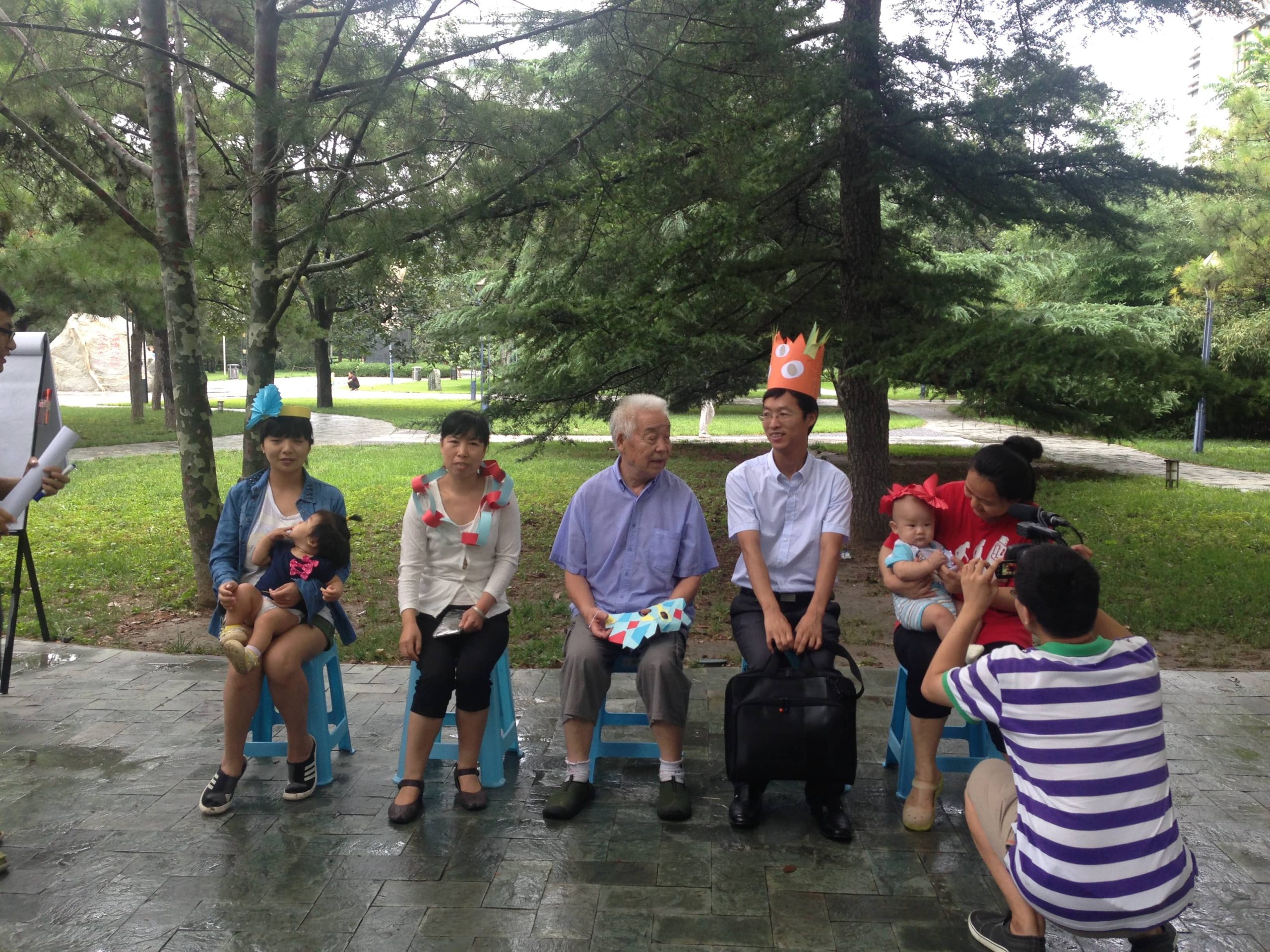
From Design for/with/by to Design AS the Others _ Social problems we encounter are what is known as ‘wicked’ – those thought of as impossible to solve – then it is reasonable to conclude that we should design to better understand the problems rather than simply aiming to solve them. Human-centred design practice has been at the forefront of responsible design practice since the 70s but now it is being challenged in respond to the Anthropocene discussion. This is why I set up ENABLE FOUNDATION, a social design collective and education charity in 2016 based in my hometown Hong Kong with international collaborations. We research social issues through design research projects. Empathy is being used to raise awareness as part of the preparation for OUR futures. For example, our Fine Dying Study was about investigating burial services in Hong Kong which inspired us to design and produce the world’s first paper ash-dispenser, the ENVELOPE. This design object was created by researching how local citizens went through their grieving process. We worked to engaged them to and discuss matters around their well-being during a time of loss. We started the enquiry process by observing designs BY those experiencing the problems and then we invite them to design WITH us. Together, we design FOR our future selves as well as develop situations to help people empathise AS the others such as patients/older people/other species.
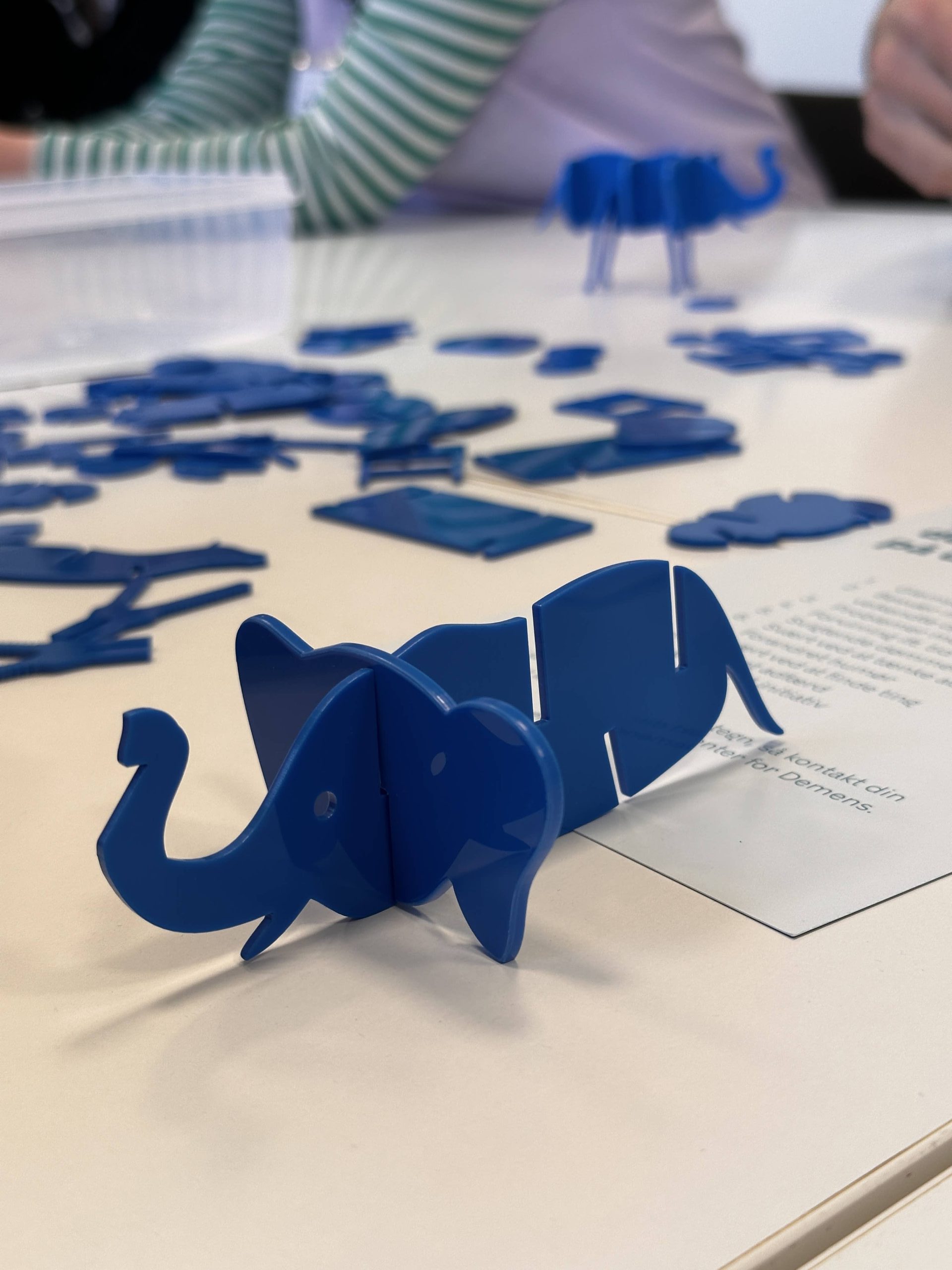
Empathic practice from “Design for People” to “Design as Humans with the others” _ we research, plan, organise and lead design activities/actions for people brought together by a shared interest, capacity, environment or condition. We manage and coordinate creative projects with citizens to foster their creativity and improve their quality of life. We aim to make design accessible to every community and form collaborations with different professionals shaping innovative design programmes. One example is the topic of dementia, we had been focusing on. Collaborating with experts from medical and social domains, our goal is to engage with the others and through design practice, we can lead creative dialogues to rethink dementia. Our OK Dementia project started a speculative question: What if everyday objects or the city become demented… We believe the discipline of Design (research & action) could link different generations and professions to co-create a better future and come up with innovative and holistic ways to tackle dementia matters. Our role is to take the concept of dementia culture and use the ingenuity of everyday life to inspire related design and innovation. One of the first actions to make this a reality is to have the public understand dementia as a culture and not as a loss.
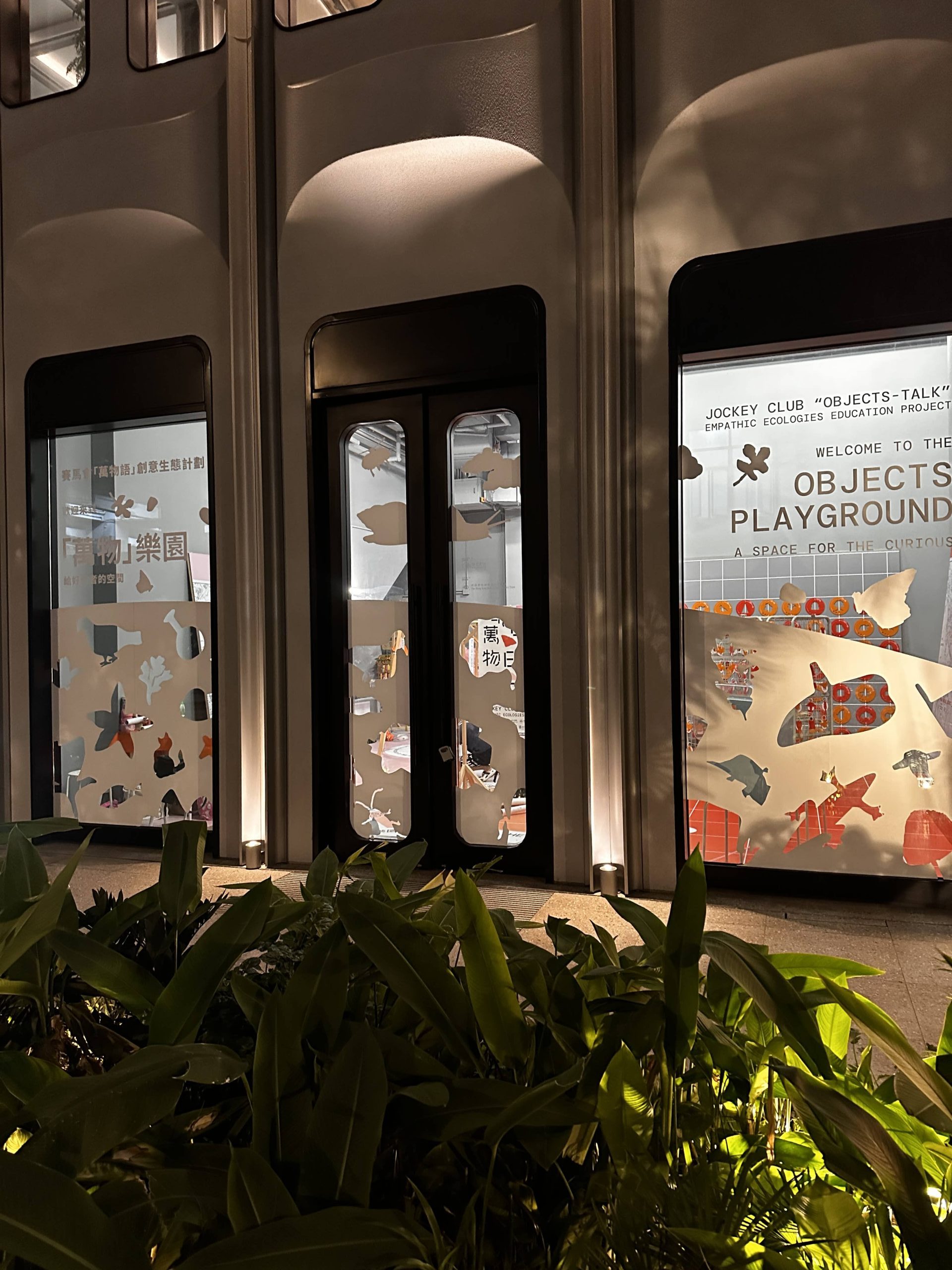
The core team of Enable Foundation contains designers, design researchers and a UK registered play therapist. Our current project funded by the Hong Kong Jockey Club Charity Trust is entitled, Objects-Talk: Empathic Ecologies Education Project which we are working on via eco-literacy and well-being through engaging nature. The project was based on my research with an international collaboration. This work on critical ecologies was a transdisciplinary practice and this type of work can bring new insights to design research practice and support greater understanding in culturally specific situations.


Recent publications
- Lee Y (2022), “From Older People to Butterflies: Design as The Others!?” in Post—Normal Design: Emergent approaches towards plural worlds, edited by Alastair Fuad-Luke, EN 3183537898959
- Lee. Y/Enable Foundation (2021), “Get lost with dementia but it is OK! Co-creating cities that embrace dementia as a culture”, in City as a Home, Japanese Magazine MOMENT03
- Lee. Y, (2020), “Co-design in the ingenuity of ageing: a cultural model of ageing through design thinking,” in Researching Ageing: Methodological Challenges and their Empirical Background, London, eBook ISBN 9781003051169m
- Lee. Y, Hendriks. N and Tsang. A, (2018), “Demented City and Objects: Empathic Tools between Magic and Everyday Life,” in Designing Cultures of Care, Bloomsbury, ISBN 9781350055384