Living well at home – A collection of care-full design interactions, stories, and recipes to prioritise relationality at home
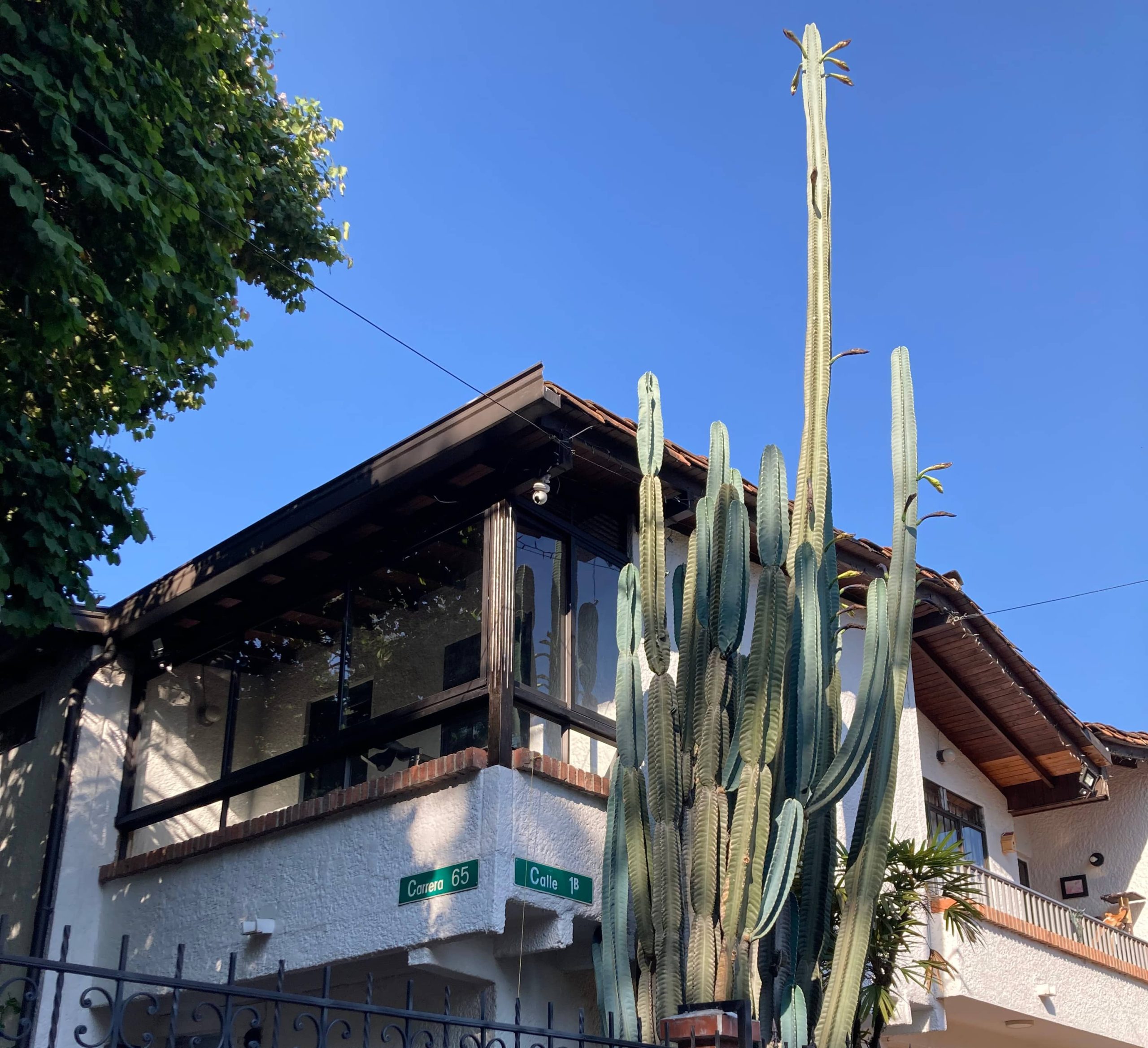
Childhood home.
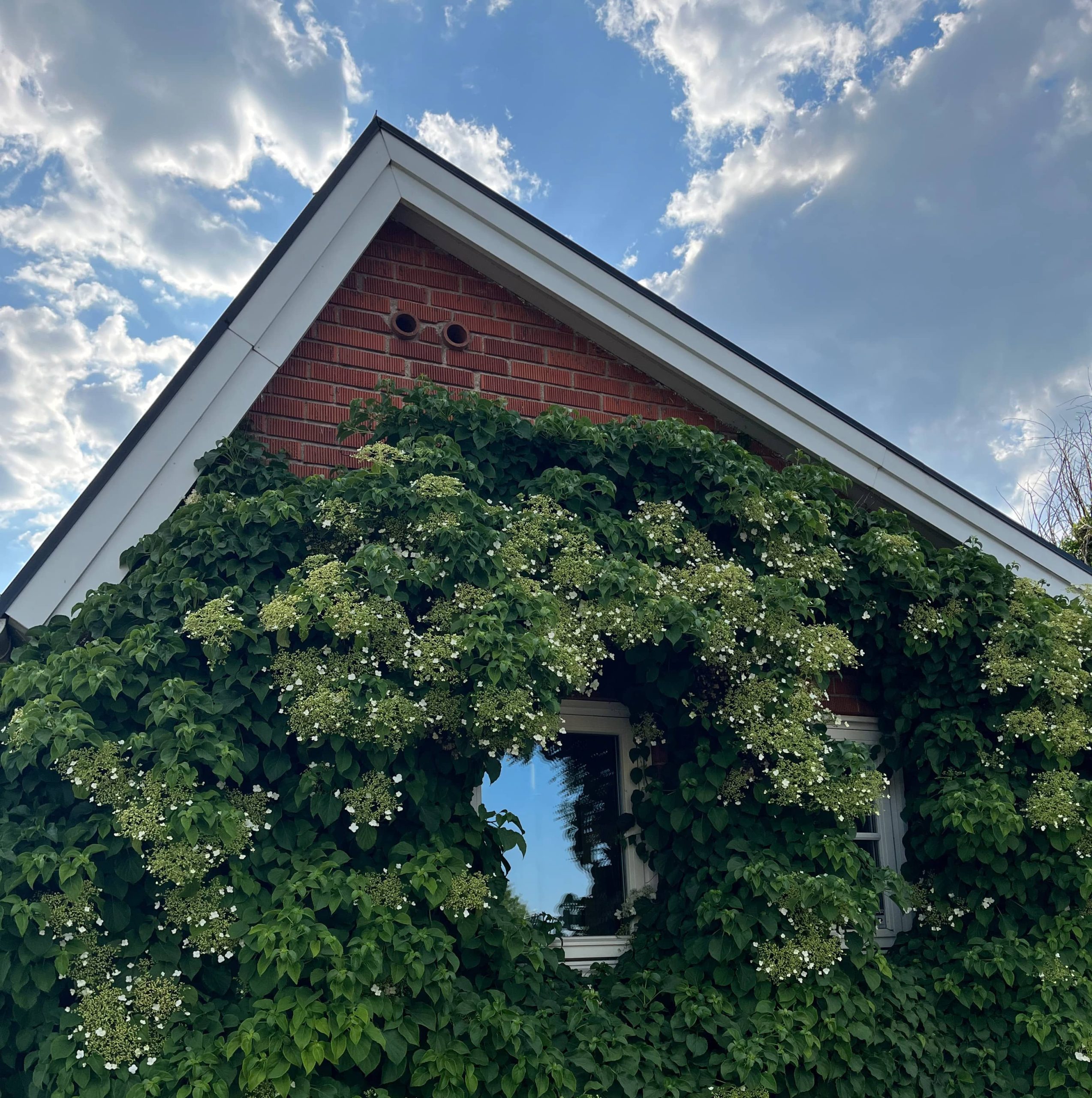
Present home. Photos by the author.
Living Well at Home is proposed as a relevant but humble contribution that showcases alternative ways to relate to knowledge, sustainability, design and everyday life at home.
I explore sustainability and everyday life at home through the Andean cosmovision of Sumak Kawsay (Buen Vivir), which means living in harmony with all beings and nature through relationality, complementarity and reciprocity. It is a philosophy practised by indigenous people in the Andean territory in South America, in which humans understand themselves as stewards, never owners of the living territory or the Earth. This way of living and understanding the world goes beyond the translation of Living Well, as it focuses on the individual in the social context of a community living in a unique environment. Living Well, unlike what we know as well-being, acknowledges interdependency and collectivity in self-care processes.
I use Sumak Kawsay to feel-think about sustainability/relationality, design and homemaking with Swedish and Colombian contexts in this research. By looking at another worldview, engaging in dialogues about everyday life at home in Växjö and Medellin, and facilitating interactions that nurture relationality, I bring forward the importance of challenging the current conversations about sustainability, well-being and sustainable living at home.
This ongoing -embodied and participatory- work is proposed as various invitations to pay attention, care and learn from relations and interdependencies in everyday life at home. It is presented through a collection of care-full design interactions, stories and recipes to prioritise relationality at home, a radical positioning concerning sustainable transitions and transformations.
Living Well at Home focuses on situated and accountable practices instead of universal solutions to the planetary crisis, surpassing sustainability checklists and ephemeral trends to embrace a different type of home project, a relational one.
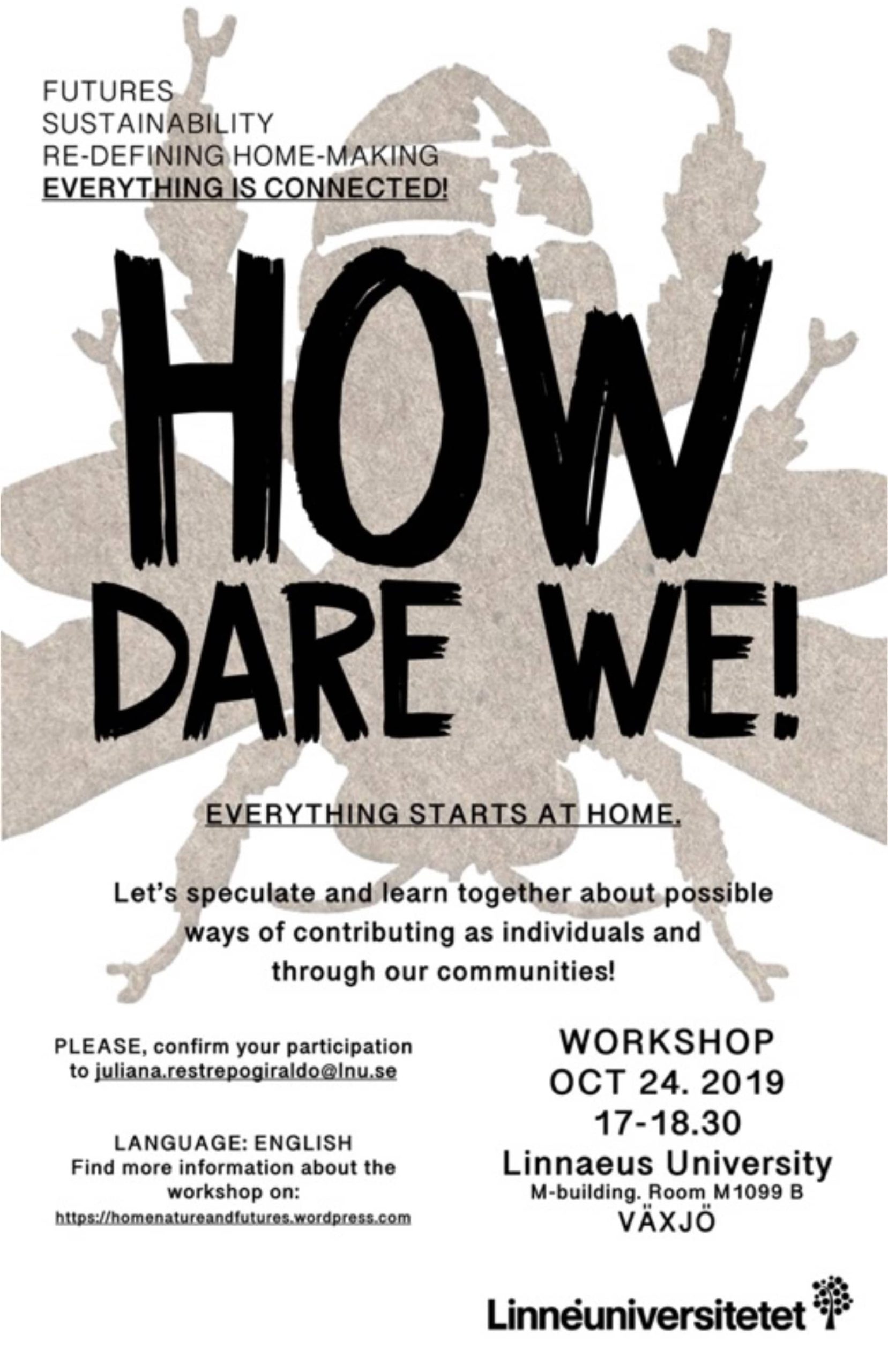


Invitations to care-full design interactions in Växjö and Medellín. Note: Exploratorio Medellín designed poster Las Mantas. The other two posters (How dare we and Blanket by the author).
My research work is presented as a programme formed by a series of care-full design interactions that facilitated the collection of stories, practices and the production of recipes as designerly work, which I gift as potential contributions both inside and outside the academy.
Traditional design methods like surveys, in-depth interviews, and autoethnography, coupled with Metadesign Languaging tools such as “Designing Miracles” and “Five Levels of Storytelling,” along with performative experiences crafted in the form of recipes, have played a significant role in shaping the design and execution of these care-full design interactions and contributed to the continuity of the design research programme.
The stories and reflections of homemakers materialise various ways of knowing and relating with the world. As I posit, these narratives can serve as inspiration to delve into everyday life at home as a fundamental scale for sustainable transitions and transformations. This exploration begins with the relationships we cultivate with our bodies, other beings (not solely humans), and nature.
Learnings in this research are also materialised through a group of “companion practices” that support challenging and finding alternatives to the paradigm of The Modern home based on dualist thinking and individualism, and which, as argued by indigenous leaders, environmentalists, activists and scholars, is entangled with ‘our’ shameful behaviours against other humans, species and nature.
These ”companion practices” have evolved and developed through the creative and reflective research process. They complement each other and are intended to be explored in diverse ways: Interrogating the familiar, wondering, sentipensar (feeling-thinking), embracing vulnerability, and facilitating complex dialogues.
Furthermore, in each thoughtful design interaction, I actively share and reflect on the methods and effort employed in facilitating exploratory and participatory engagements with homemakers, which is also proposed as part of my design work. These diverse and situated approaches have given me valuable insights and stories that can significantly contribute to reshaping and reorientating priorities at home.

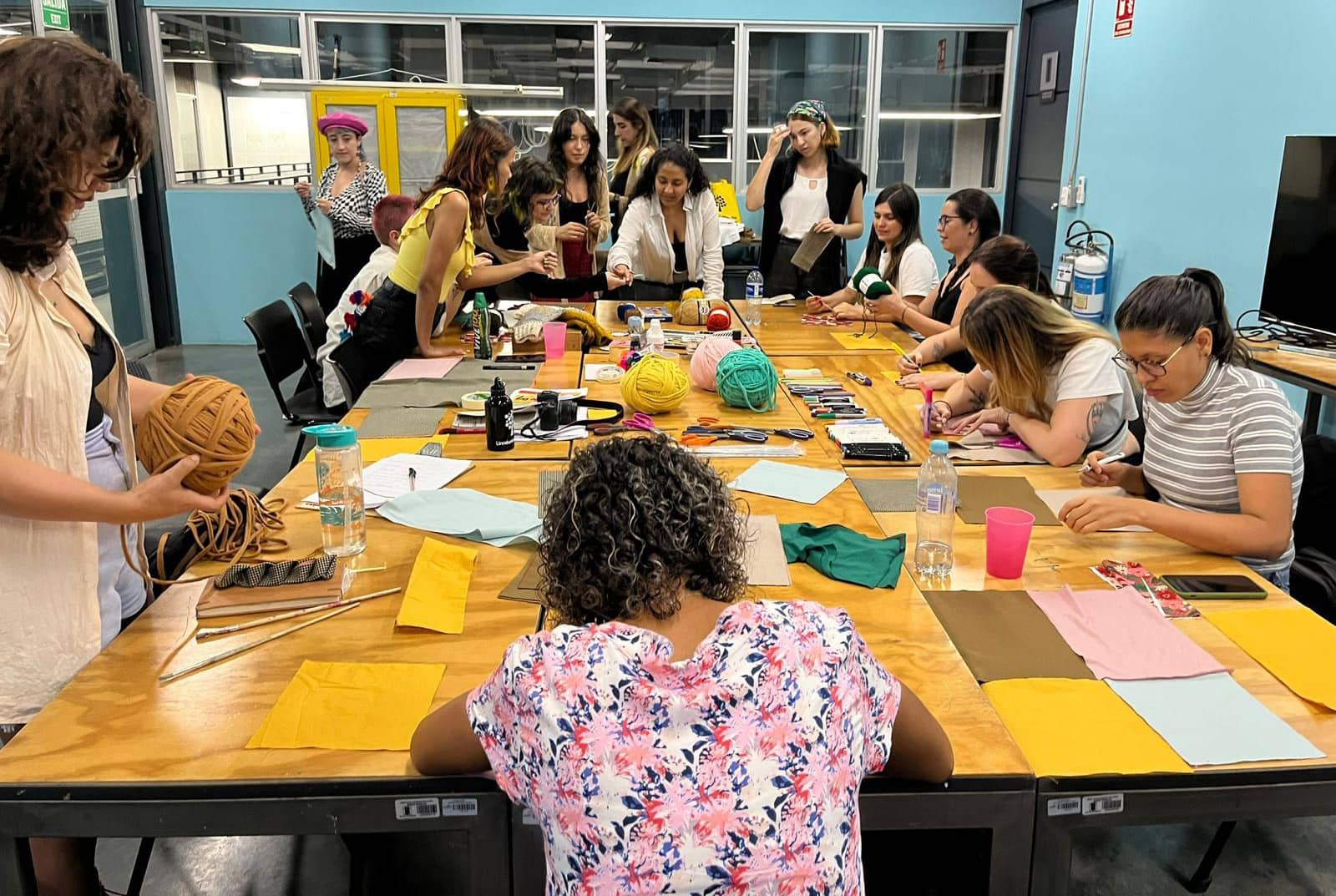
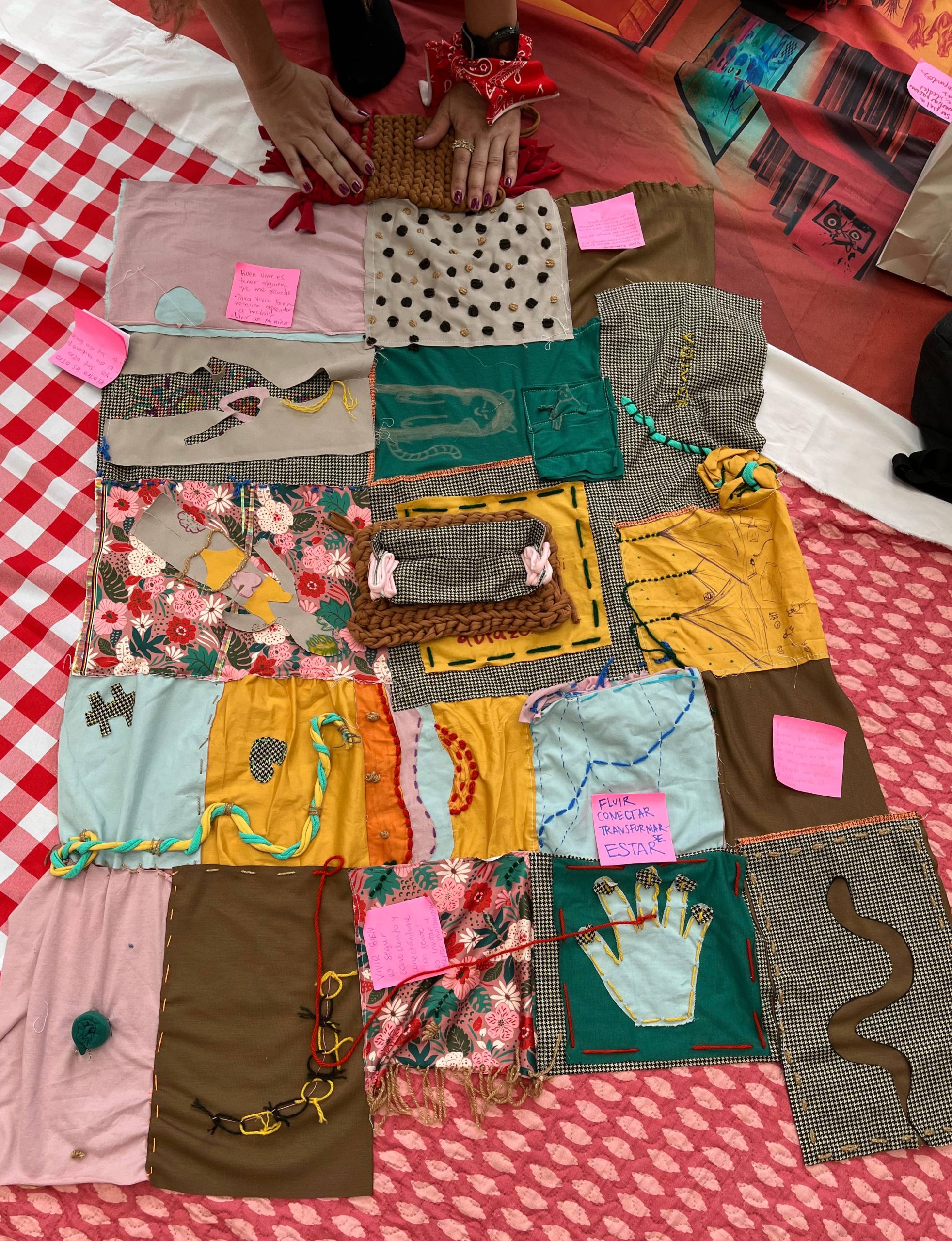
Care-full design interactions in Medellín-Colombia. May 2023.
For instance, the narratives and reflections shared by homemakers, both as individuals and collectives, underscore the significance of interrogating our relationship with home and homemaking. This involves challenging assumptions about our interdependence with nature and questioning imposed ideas rooted in narratives of perpetual growth, human exceptionalism, and separation.
As a designer, I explore the role of facilitating such questioning and timespaces for wondering about alternative imaginaries. Also, engaging in sensorial experiences and embodied reflections on stories and past experiences and how they influence our daily lives and decision-making, a role I believe is crucial in the processes of challenging existing universal norms and envisioning other possibilities as individuals and collectives. Moreover, the essential role of creating a space to embrace and share vulnerability with others—expressing fears, thoughts, and traumas and engaging in feeling-thinking together—can deepen connectionsthat foster generative learning spaces and alleviate feelings of isolation. In some cases, it facilitates engagement in complex dialogues, emphasising learning from diversity rather than striving for consensus or an ultimate solution.
“I think informal meetings and experiences like this one, eventually or as part of everyday life, are key in healing trauma, creating and sustaining relationships with others. As psychologists, we do our work supporting people, but this work needs to be complemented with good everyday practices such as connecting and building healthy relationships.”
“Living well means learning to know that hole, taking care of it, and finding ways to put it into our favour.”
“My grandmother was very much home for me. She weaved blankets for me and my siblings and was very present in our lives while growing up. This maze represents complex and painful stories of what was happening to her at home in an abusive relationship. How that affected her, but she was still able to be this wonderful person for us. This maze represents me wondering if she felt home in her own body. Her life makes me relate to home as being safe in my body wherever I am.”
In the three quotes above, we encounter reflections from three participants at various stages of the research process. The first reflection follows a listening experience facilitated in an urban area in Växjö in 2021, while the second and third come from explorative workshops with blankets. The second occurred in Medellin, Colombia, and the third occurred at the Art Gallery in Växjö in 2023.
While revisiting their stories and insights, I contemplate the challenge of precisely tracing the impact of these experiences and reflections on everyday life and their contribution to sustainability. However, I am convinced that by nurturing alternative imaginaries and fostering relationships with home, homemaking, and living well, it becomes possible to provoke essential questions. These questions, in turn, can drive relational and sustainable changes both within the home and beyond.
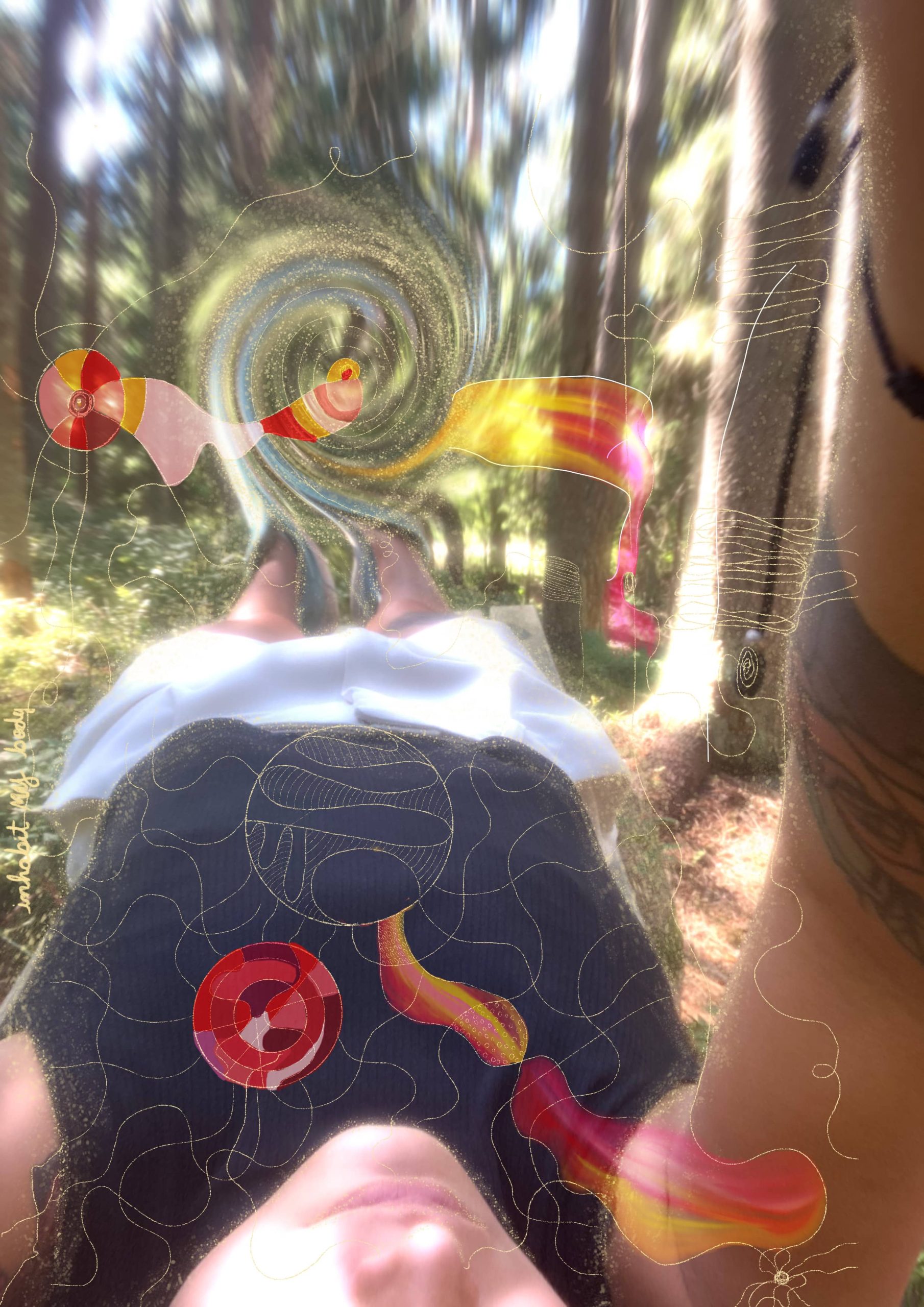

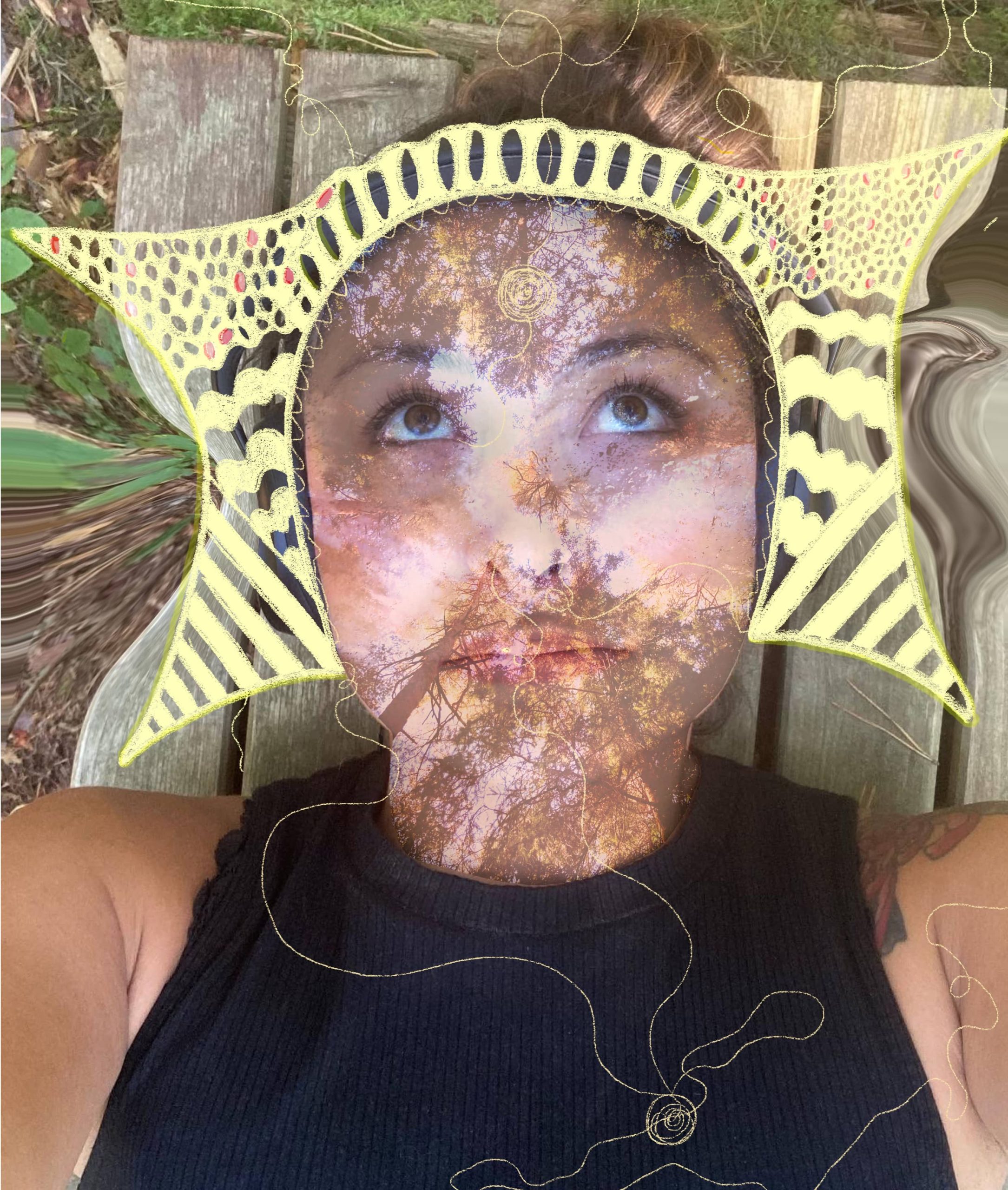
Visualisations as result of autoethnographic work with recipes.
Future work
Designing for Living Well in the city involves an exploration of rituals, both symbolic and spiritual, and various practices that have piqued my interest over the past years. Through interactions with homemakers, designers, and artists, I’ve come to realize the significance of a radical approach connected to self-care and the practice of communal gatherings to connect, celebrate, and share experiences and knowledge.
Self-care serves as a foundation, creating a space for understanding our internal states and fostering connections with ourselves, others, and our surroundings. It’s a mindset that allows us to be open to the world, attentive, and receptive to the opportunities for learning and personal transformation that surround us. Living Well, in this context, initiates from within, in an ongoing dialogue with our past, present, and future selves, and through an understanding of our roles within communities, society, and the larger ecosystem.
Looking beyond this doctoral project, my aspiration is to continue exploring this cosmology and extend the experiences and conversations to the urban landscape.
References
Albarrán González, D. (2020). Towards a Buen Vivir-centric Design: Decolonising Artisanal Design With Mayan Weavers From the Highlands of Chiapas, Mexico [Auckland University of Technology]. https://hdl.handle.net/10292/13492
Bastidas Aguilar, L. F. (2020). Sentipensar el Pluriverso: Legado del maestro Orlando Fals Borda para la Sub-version, la utopia y el buen vivir. Collectivus, Revista de Ciencias Sociales, 7(1). https://doi.org/10.15648/Collectivus.vol7num1.2020.2532
de Oliveira, V. M. (2021). Hospicing modernity: Facing humanity’s wrongs and the implications for social activism. North Atlantic Books.
Escobar, A. (2018). Designs for the pluriverse: Radical interdependence, autonomy, and the making of worlds. Duke University Press.
Kaika, M. (2004). Interrogating the geographies of the familiar: Domesticating nature and constructing the autonomy of the modern home. International Journal of Urban and Regional Research, 28, 265–286. https://doi.org/10.1111/j.0309-1317.2004.00519.x
↑ Top