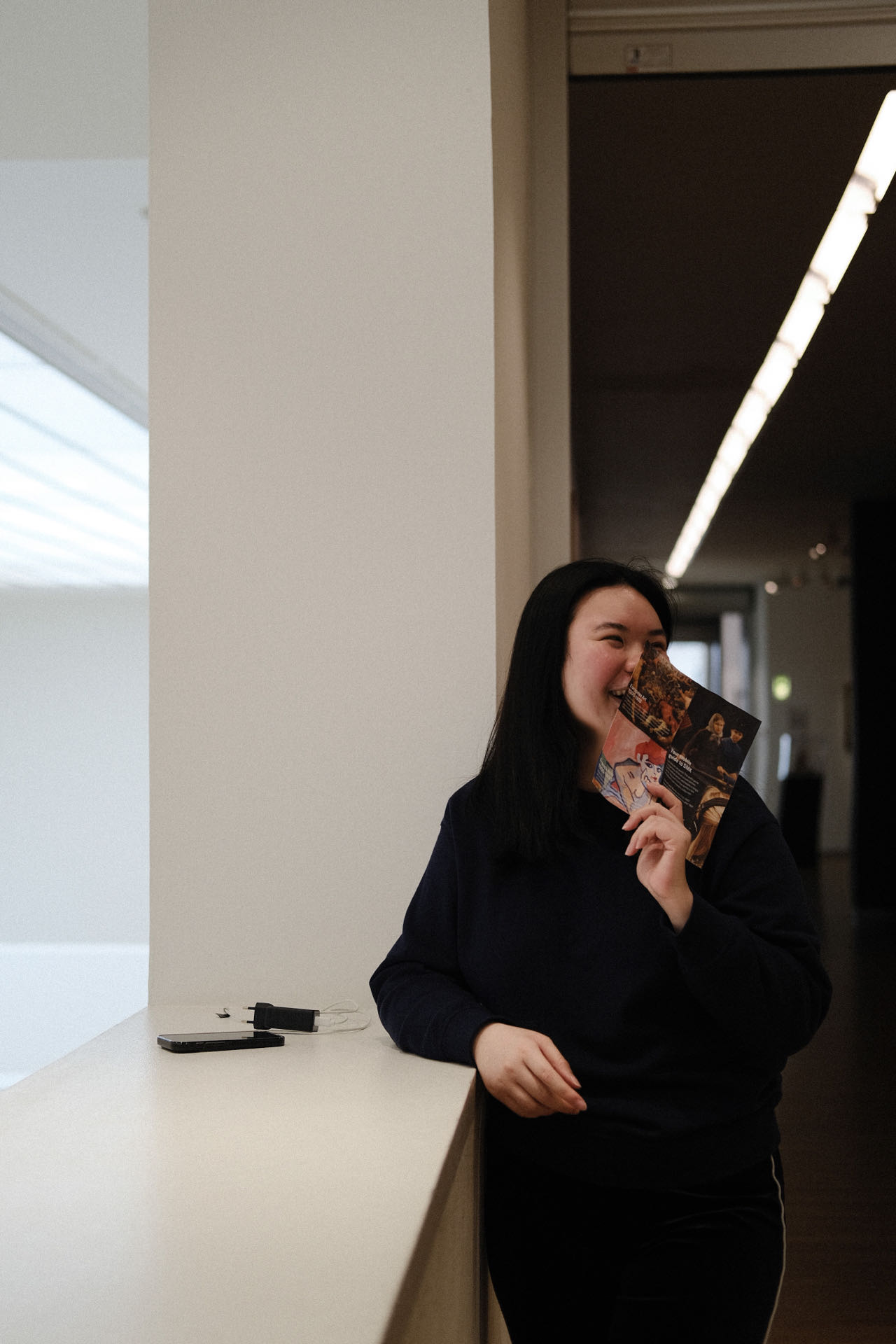
What do you think? – Board games help newcomers integrate into local life in a socially and environmentally sustainable way
Have you ever traveled to a country or region with a completely different culture, language, or political system to you? What do you do if you go to a country or region where you want to fit in but don’t know how to start a conversation? My design project was created to help social needs like yours when facing a new environment.
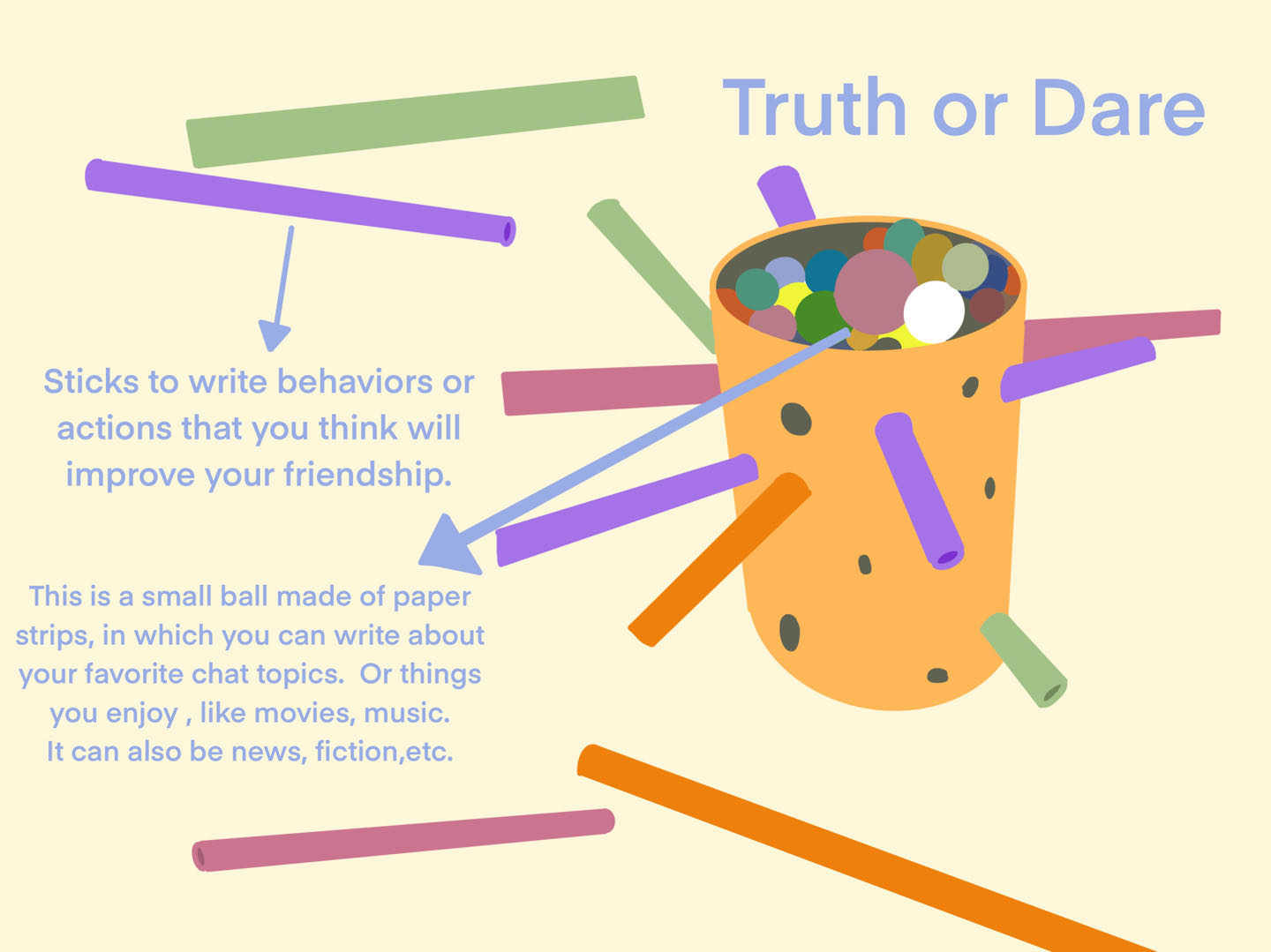
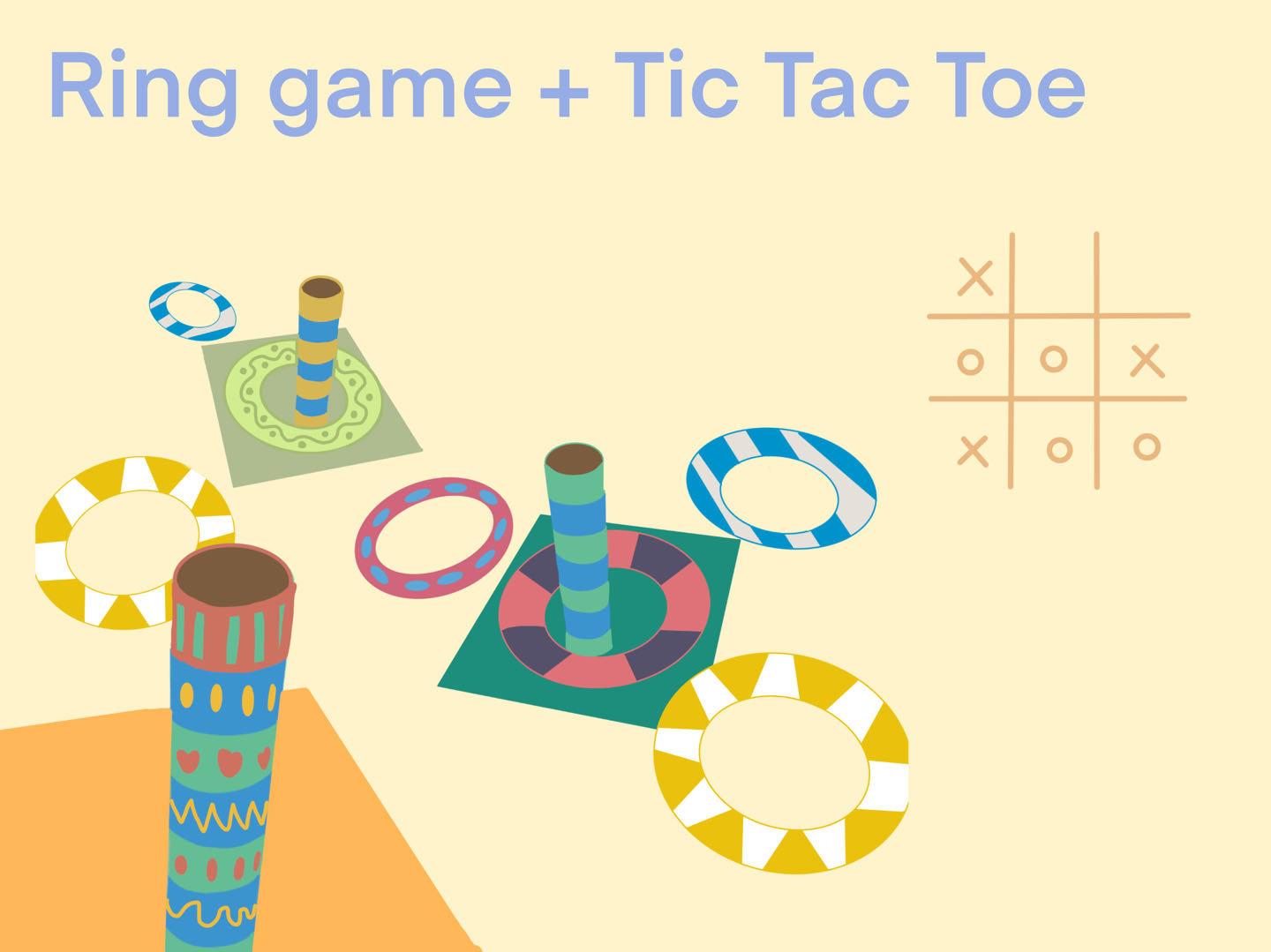
My project was framed to understand the concepts behind sustainable communities, the Sustainable Development Goals (SDGs), approved by the United Nations in 2015.
This time my project focuses on designing an innovative approach to making cities and human settlements inclusive, safe, resilient and sustainable.

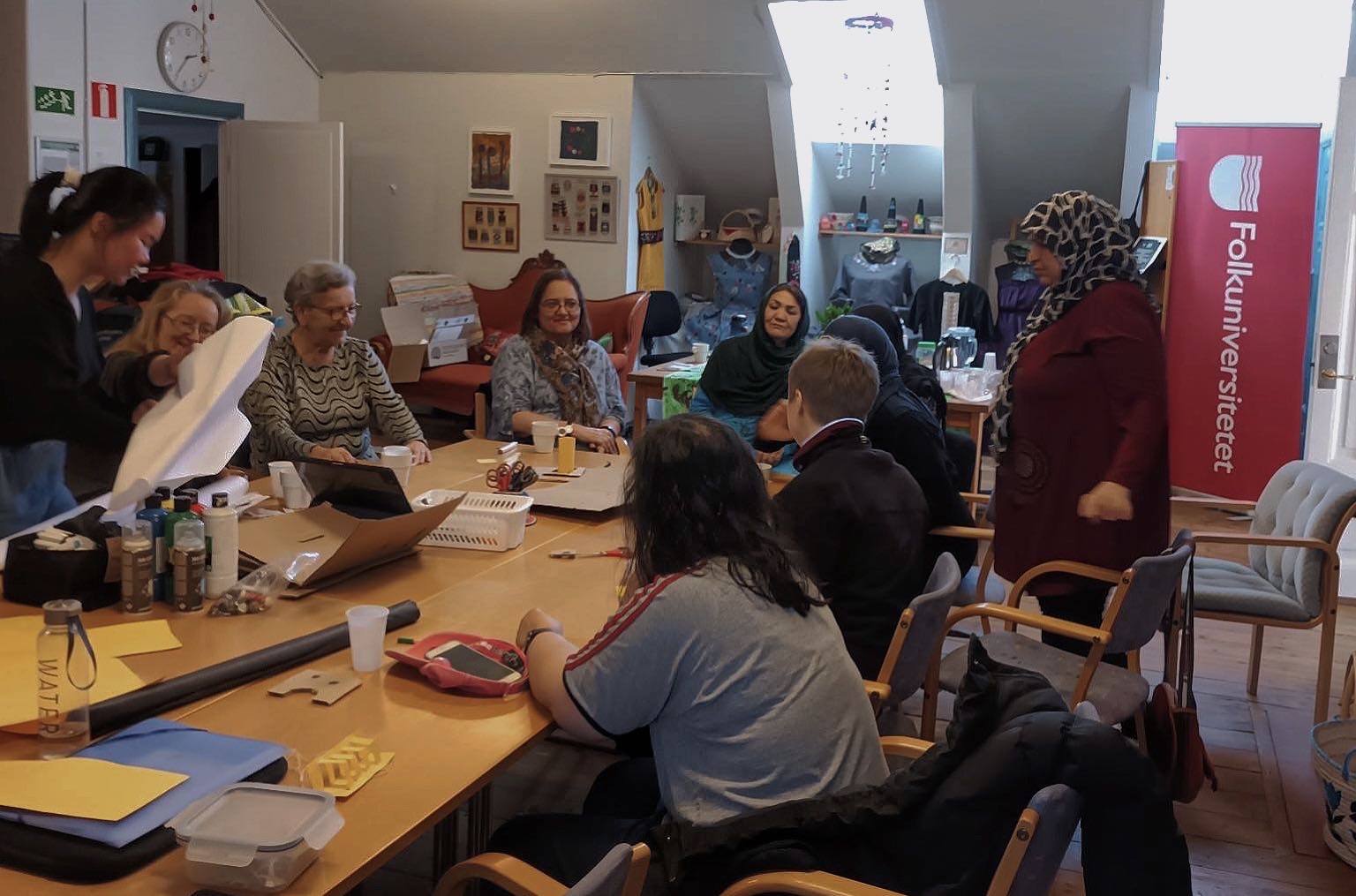
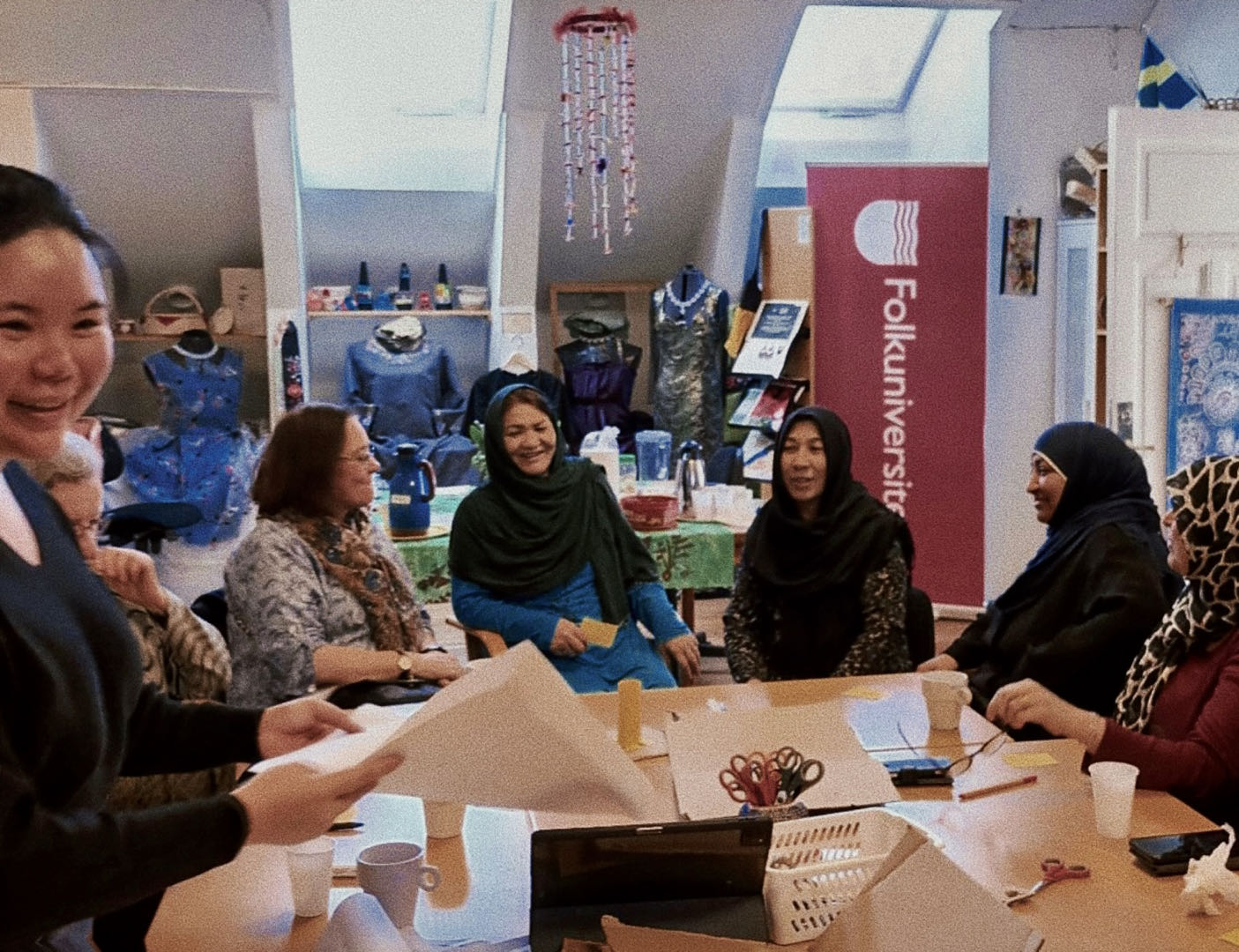
For this project, I held two workshops, one at Folkuniversitetet’s studio in Ronneby and one at Parkdala School in Ronneby, to gain insight into how newcomers themselves perceive life and social confusion in a new city.

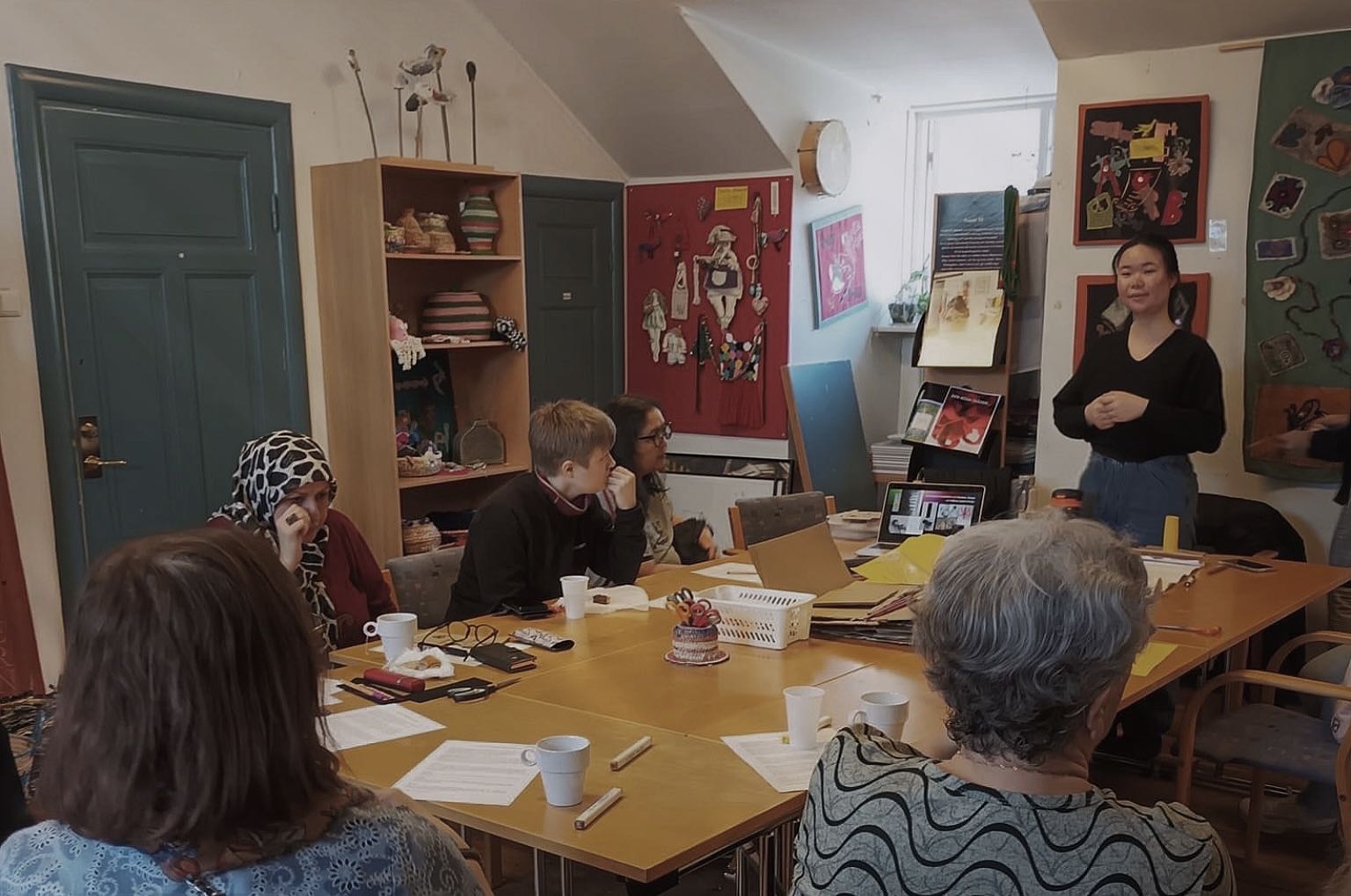
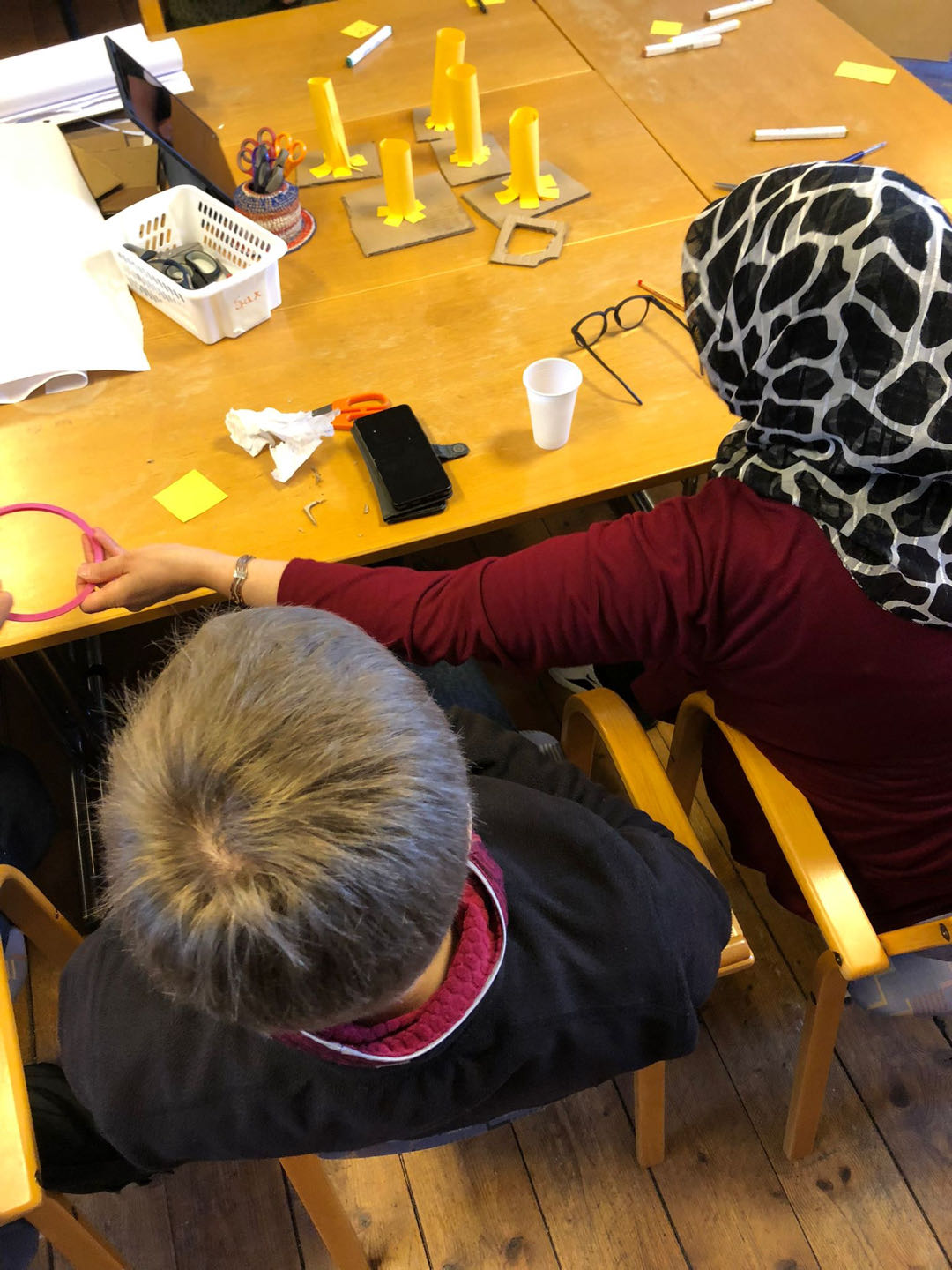
In my first workshop, I had the good fortune to work with participants from different countries and regions, including Thailand, Germany, Iran, Poland and so on. This rich variety of backgrounds inspired me to create a board game project designed to foster understanding, connection, and cultural exchange. I hope that through the medium of board games, immigrants and local residents can be brought together, allowing them to learn from each other, share ideas, and build a more secure and harmonious community.


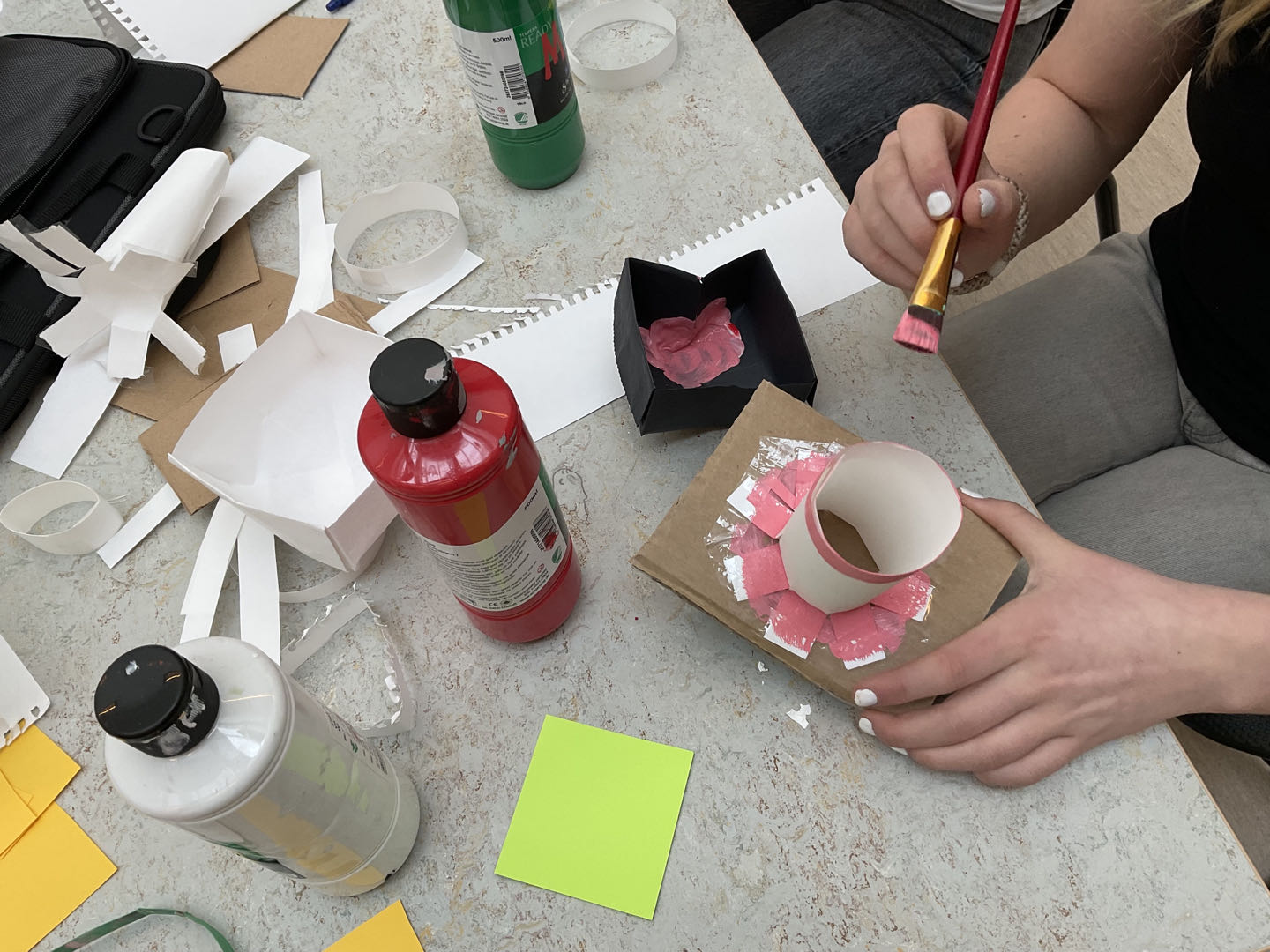
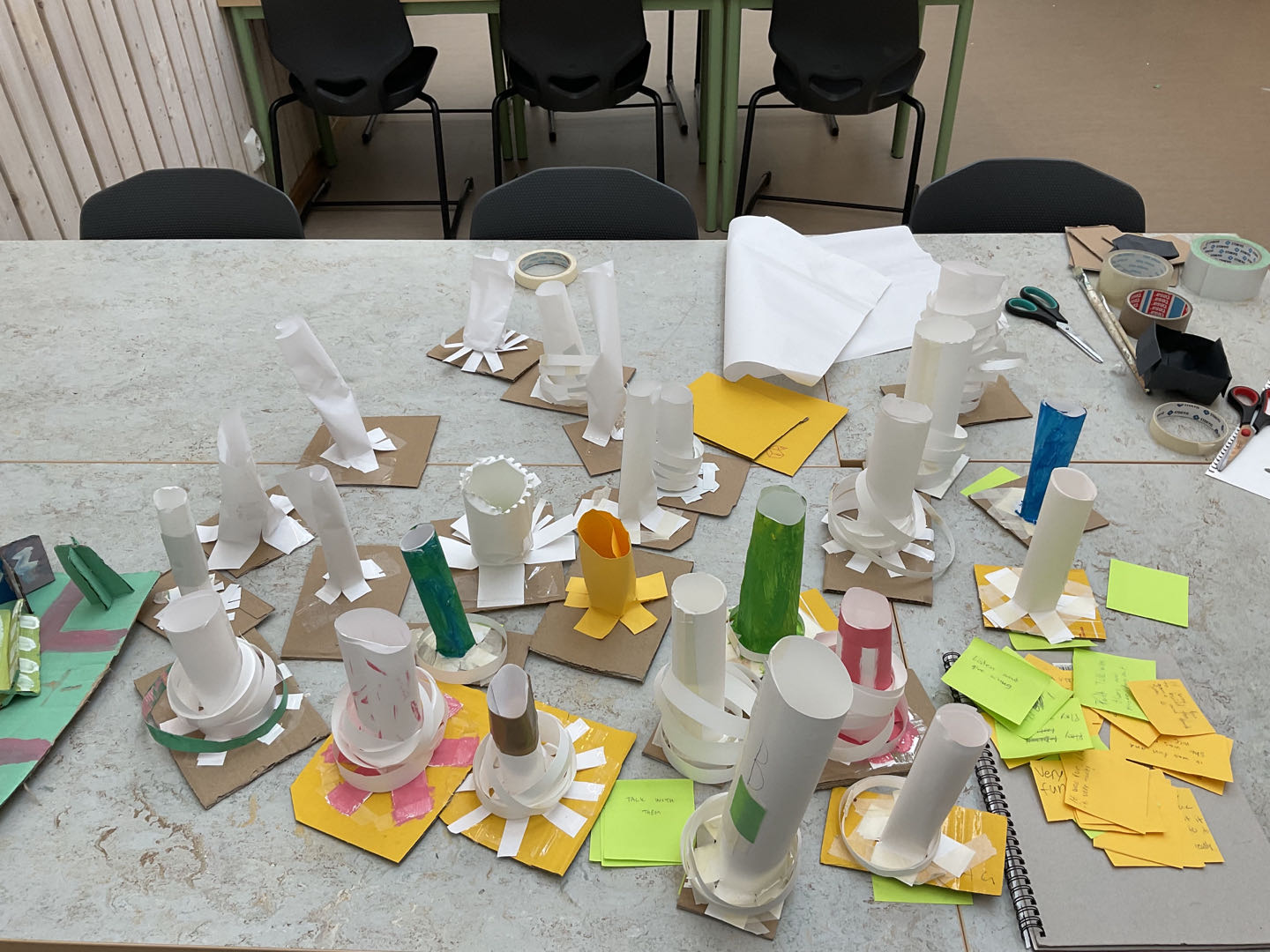
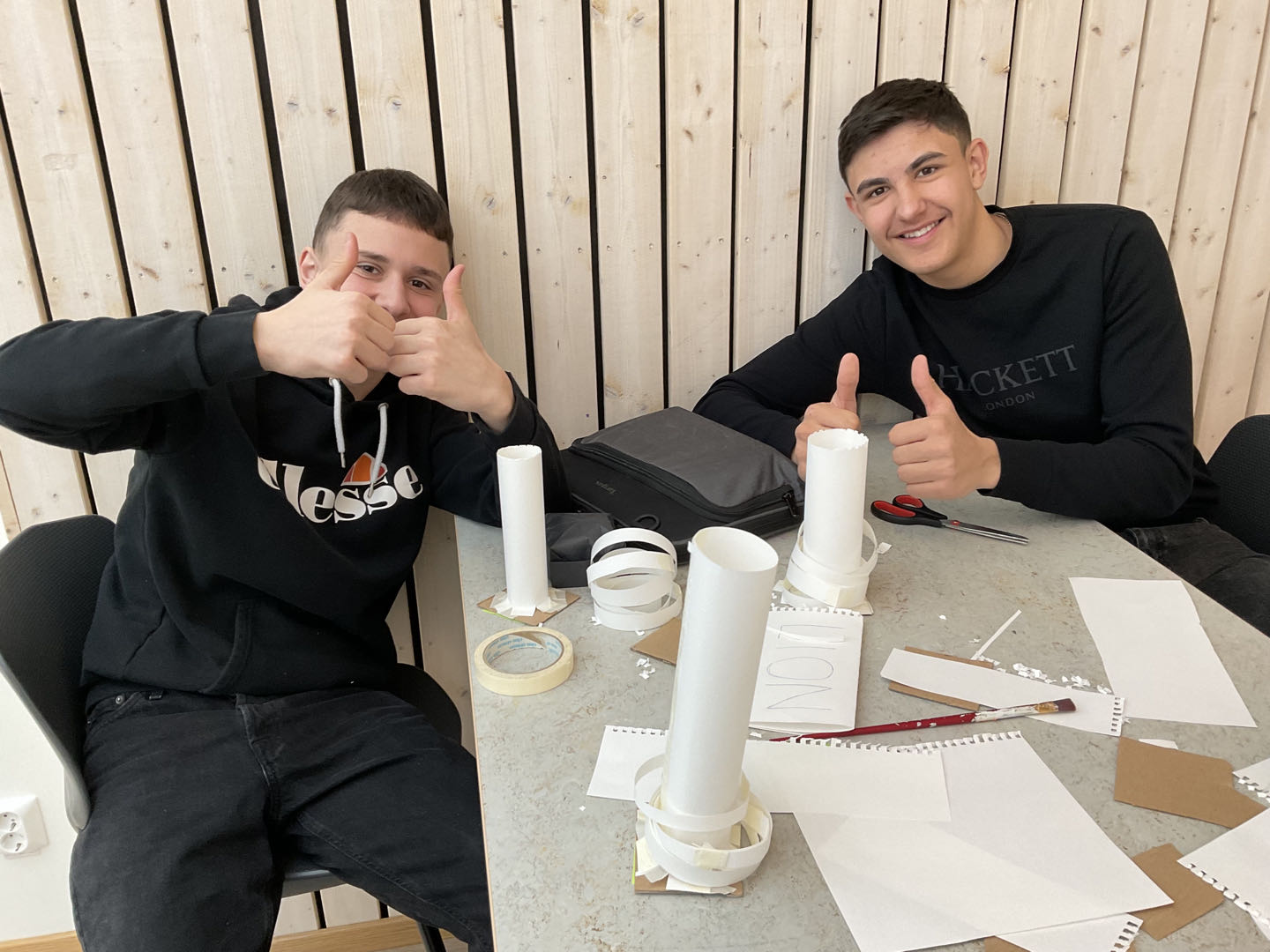
My second workshop was held at a middle school in Ronneby, Sweden. Different from the previous workshops, the participants this time were mainly classmates, accompanied by one of their teachers who helped organize the students. As middle school students, they showed a good level of education, with a higher level of English, and the communication between us was smoother. Drawing on the experience of my first workshop, I prepared courseware slides in English to present my design concepts and project phases. The materials needed for the workshop are also prepared. This time, a new step is added, which is to let everyone make their own name cards at the beginning of the workshop. It is convenient for me to have a direct conversation with students.

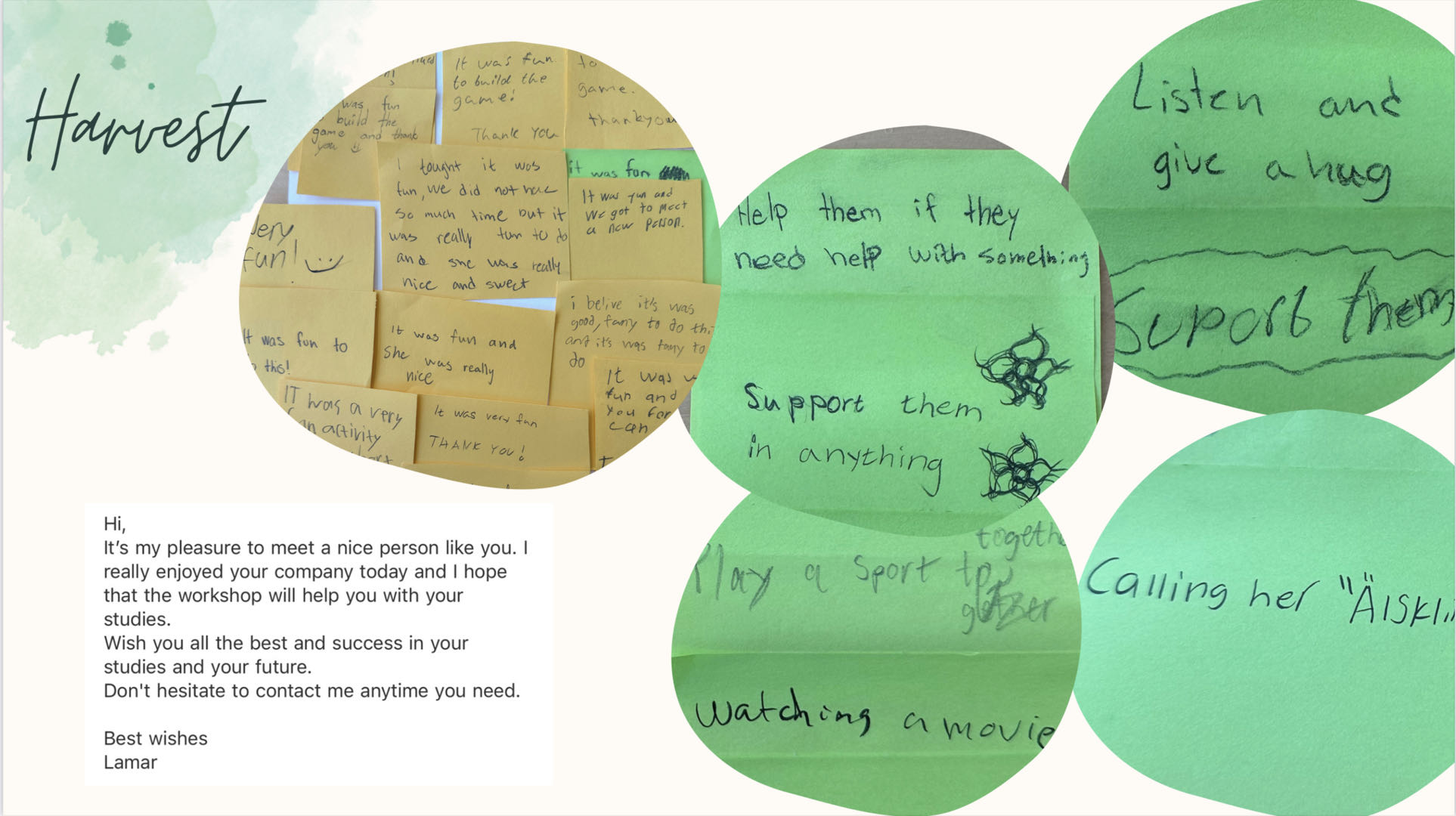
In conversations with them, I got the following comments::
“It was a fun game and the process of making the board game allowed us to get to know each other and gain a deeper understanding of sustainable development”.
This is the happiest kind of feedback for me. In such an interactive manual workshop, I have not only gained these positive feedbacks. There are also many places that I think can be reflected. For example, the control and mastery of workshop time. I think I also need to increase my own sense of time. Many times I plan to control all tasks within an hour or an hour and a half. But often times out. Although this point has improved a lot during the second workshop I held in school. But this is still an important point that I think I need to strengthen and improve.
The most important thing I have gained from this project is friendship. Throughout the whole project, I have met many friends from different countries, different industries, and different ages. And received a lot of kindness, support, encouragement and feedback from it. It is all these elements that come together to make this project so rich and successful.
Of course I understand that this board game has a lot of room for improvement, tinkering and improvement.
This is just the beginning, and I hope that this board game will be applied to more social occasions or workshops in the future, bringing joy and warmth to many people.
References
United Nations. (2023). Goal 11: Make cities inclusive, safe, resilient and sustainable. Retrieved from https://www.un.org/sustainabledevelopment/cities/.