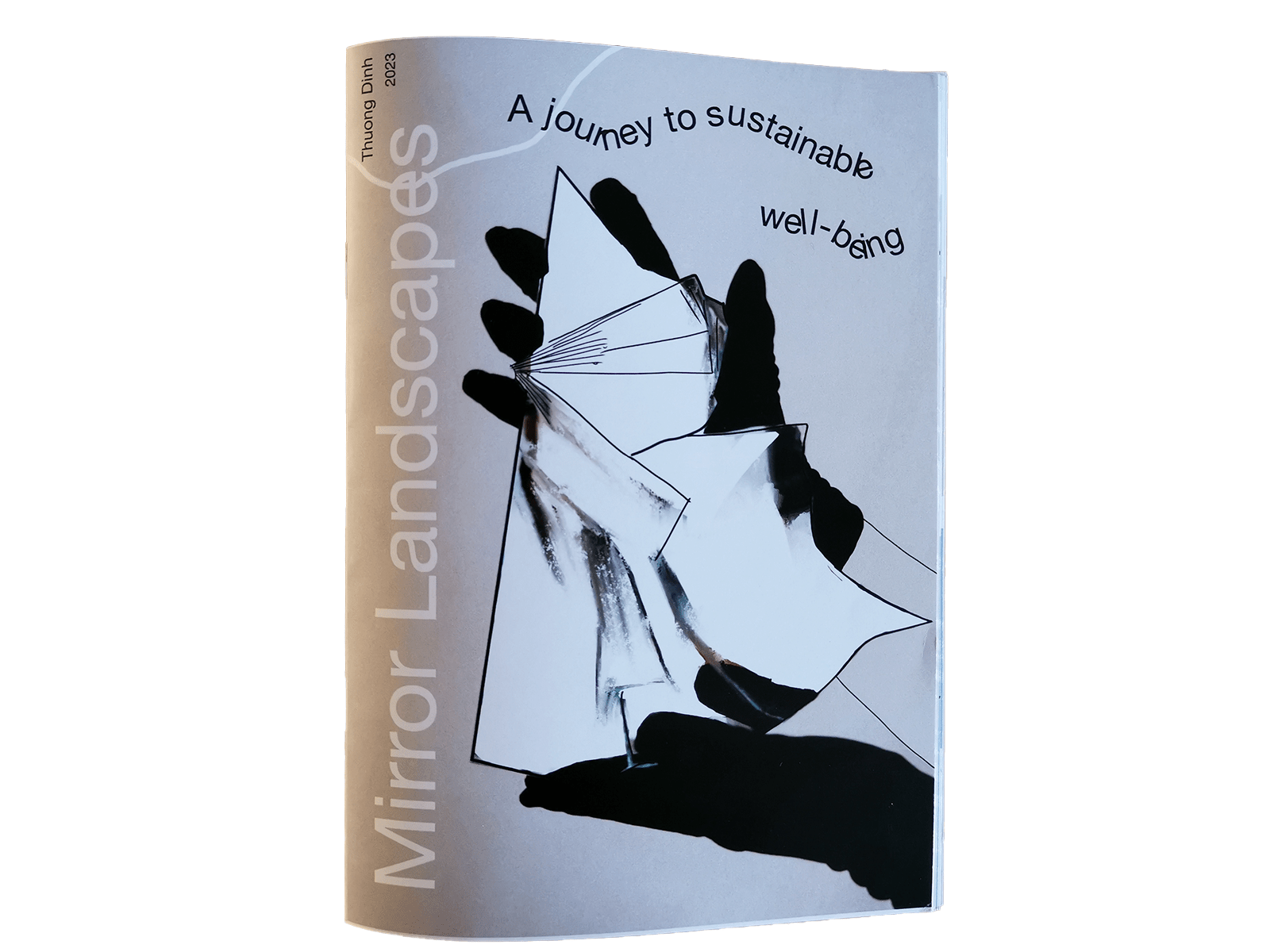
Mirror landscapes – A journey to sustainable well-being
MIRROR LANDSCAPES is an exploration of finding sustainable well-being through re-creating beauty standards and generating changes that support a sustainable lifestyle. This was done through a speculative workshop, interviews and design practices in Växjö to generate a synthesis that is collectively and selectively manifested as a zine.
Living in a society where there is an empire of voices and noises telling every individual that you are not enough is a struggle. The focus of being not enough is not only about how a person performs and contributes to society but also about how you should look to meet the unattainable ideal standards. Do you find yourself relating to this struggle? If yes, you are more than welcomed to explore this project. If not, you are one of the lucky few. Nonetheless, the topic concerns us all.
By making beauty and youth the ideal desires of human beings that are reflected in mass media and social media in almost every culture, the fashion and beauty industry play a major role in influencing an individual’s perception of beauty, self-esteem/self-image and well-being. While women are a main target, the beauty standards affect everyone.
“First thing first: Positive self-image and beauty is from the inside out. Appreciate your beauty and be confident in who you are. Don’t let the man-made capitalist world manipulate your beauty and confidence. You are uniquely and wonderfully made. Your value is far more than what the world defines as beautiful.”
How each individual responds to different socio-cultural environments and the connection between perceived psychological well-being (relating to self-confidence) and feeling beautiful are complex. The consumerism and beauty pressure on female individuals do not only negatively affect their subjective well-being in relation to socio-cultural aspects but also their economical and ecological well-being. Women continue to make up the primary market for the fashion and beauty industry in which revenue in the beauty & personal care market amounts to $571 billion in 2023 (Statista 2022). An average woman in the US wears at least 16 skincare and/or makeup products daily (estimated $250 per month) and spends about $200,000 to $300,000 in a lifetime which is enough to buy a house (Murray 2017).
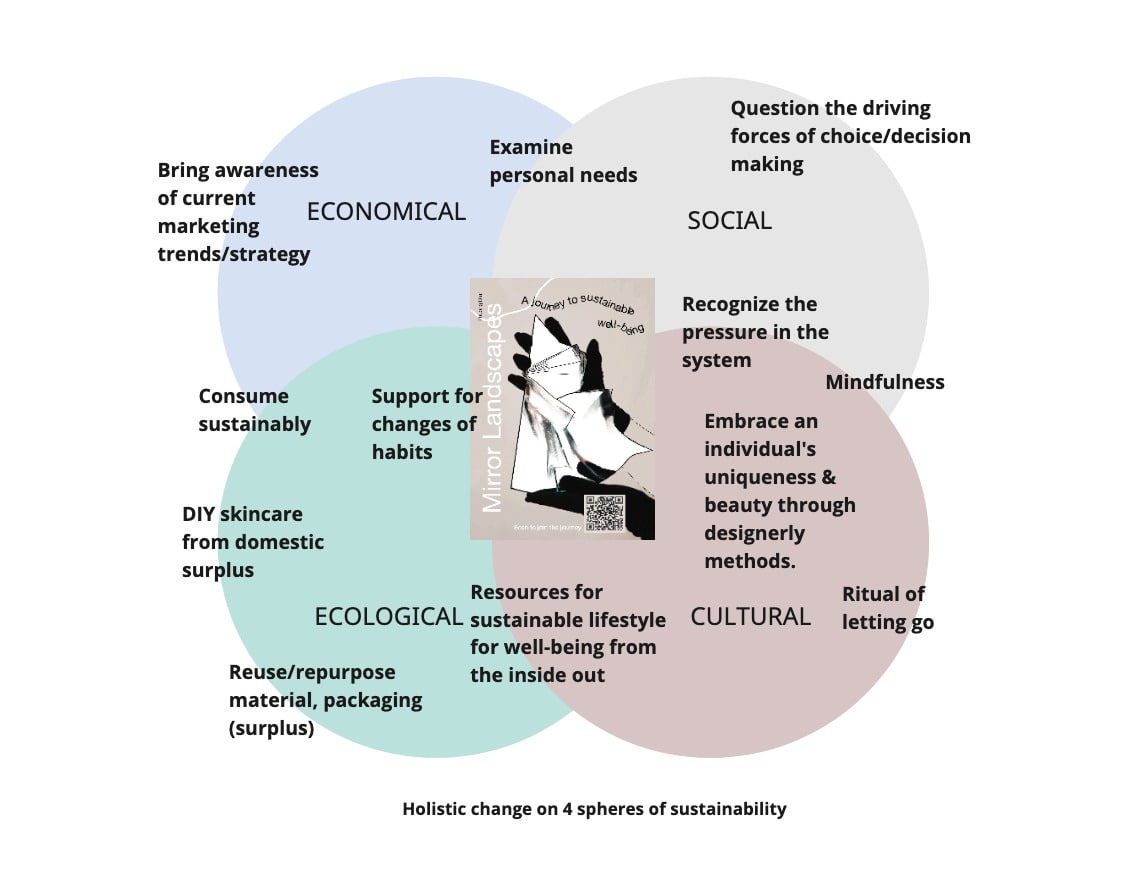
To support individual’s well-being, especially females identified while patriarchal capitalist society diminishes their self-worth to make them consume, I have applied different design methods in collaboration with a variety of individuals, age 18+. The collaborators are students in the department, Fem2design – a design duo and female warehouse workers.
I invited the students to a speculative workshop to discover possibilities through collective storytelling. Throughout the activities and some highlights of the discussion among the participants which are described in the zine, I found myself and the participants sharing similar struggles and how much we have worked on self-image. Besides, I can relate my frustration to theirs because society has put too much importance on the outside of a person rather than the inside. Nonetheless, I felt that we have similar voices and wills but our voices are not heard and our will needs to be manifested.
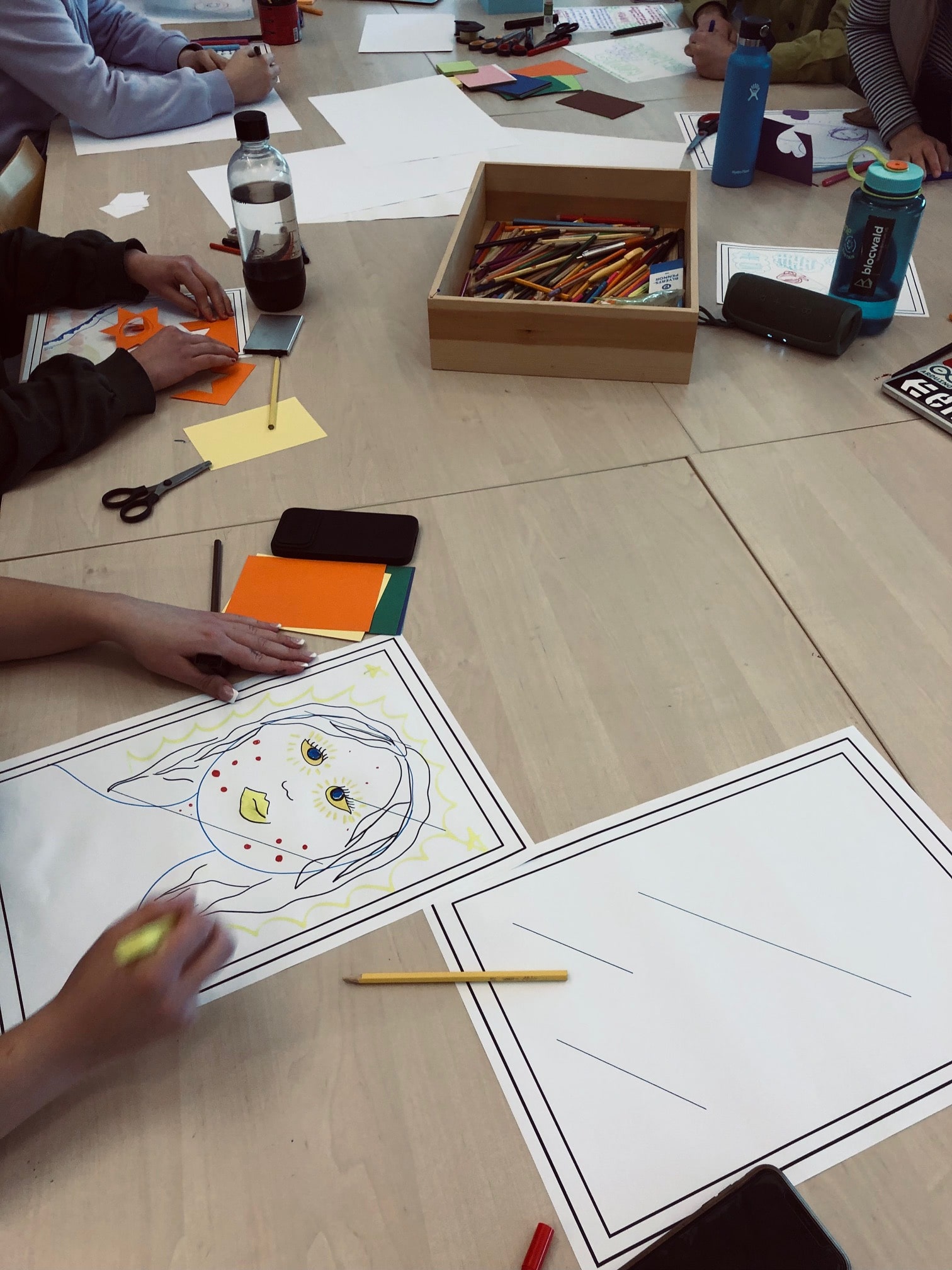
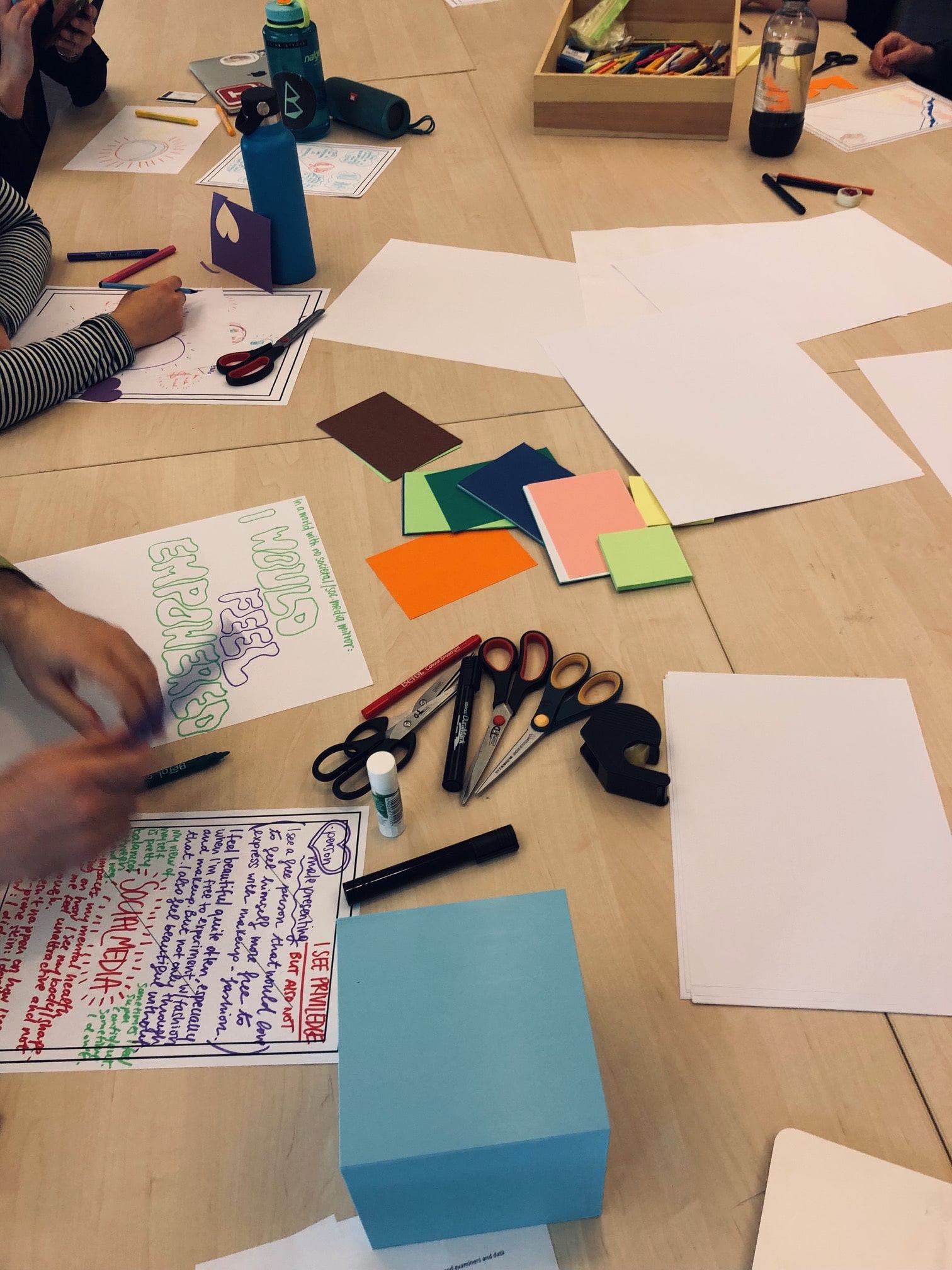

The zine is used by people who were part of the design process and who were not. A user of the zine said it gave her a very positive vibe and she really likes the blank page for the users to manifest their beauty and/or recreate their own standards. She also mentioned that the workshop with its activities are really interesting and it can be held locally in the near future. This feedback helps me propose how the workshop of Mirror Landscapes can take place in a highschool or an NGO. It can be during a free-time or fun time activities with modification as a creative space or contest to get young people engaged in the workshop.
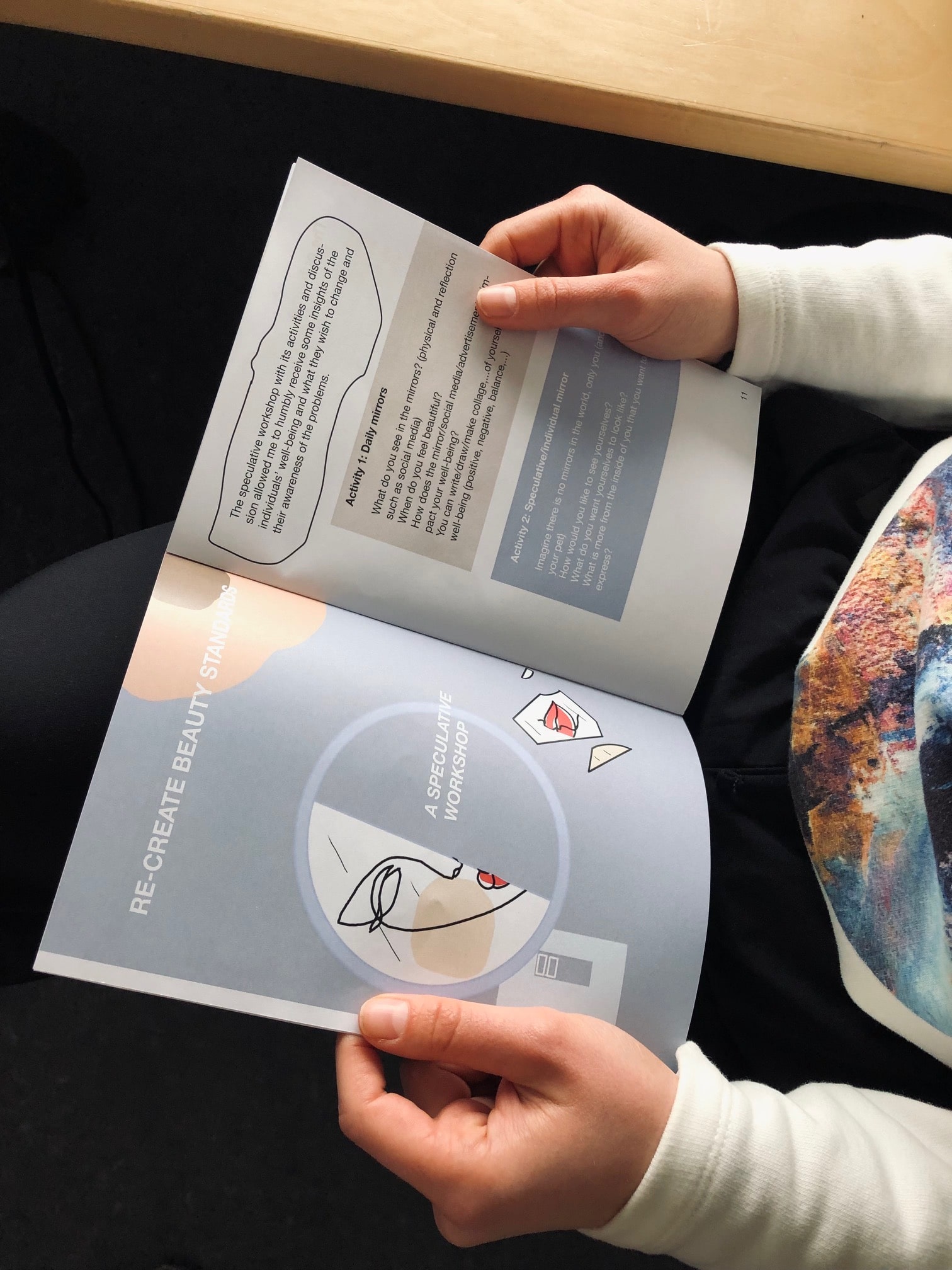
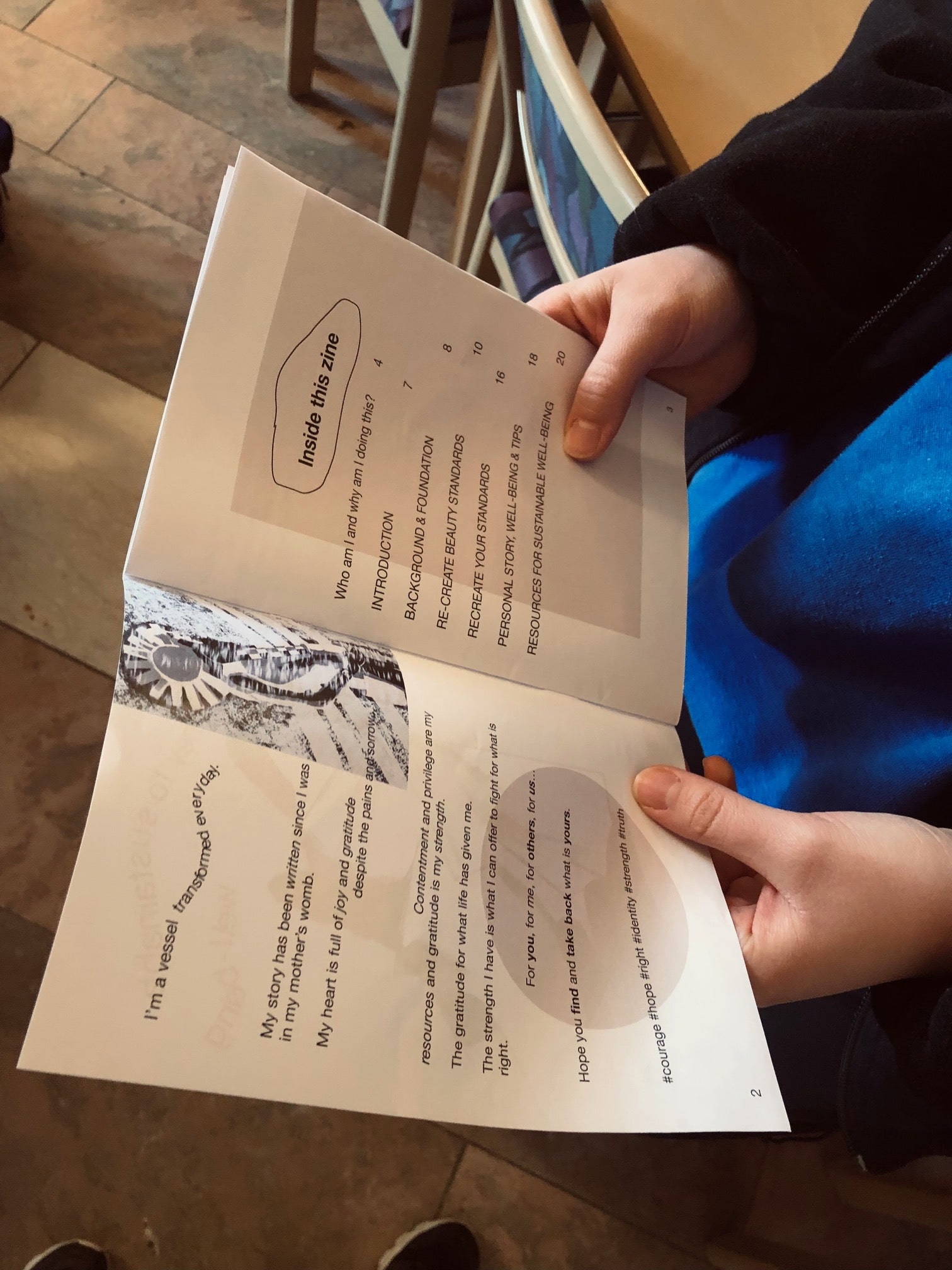
Although the design approach is a critical and non-exclusive one, the primary target group of users are teenagers, young adults and some adults since many of them are heavily influenced by social media and unrealistic beauty standards (Foy 2022). The influence can lead to negative consequences relating to mental health such as eating disorders, mood disorders, anxiety, shame, suicidal thoughts, depression, self-hatred, and low self-esteem.
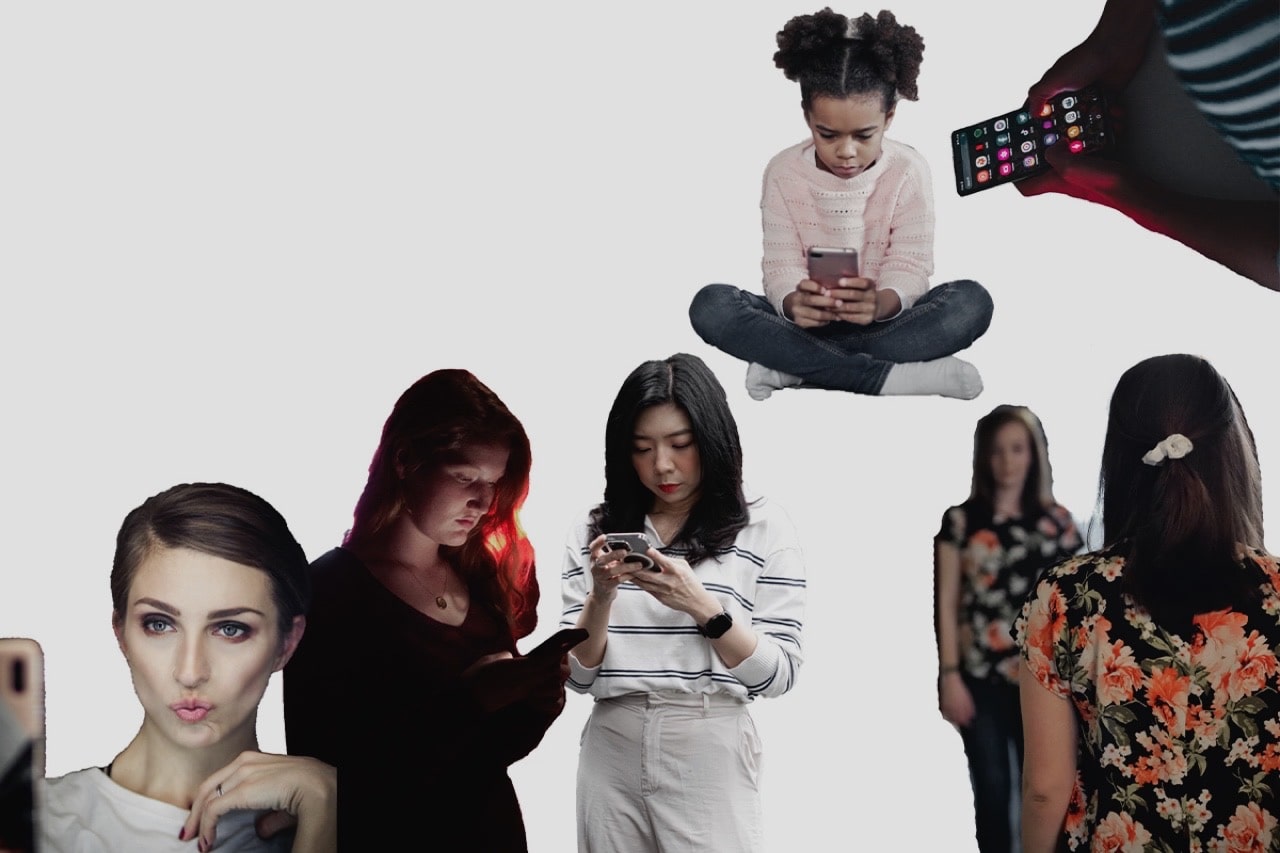
Therefore, the purpose of this zine is to generate a positive mindset through addressing the problems, encouraging the users and suggestions on positive changes for their well-being. Here is a specific scenario where the design can be used: On a Monday afternoon, a young 20-year-old girl is scrolling over instagram and feels that her body is not as fit as the fitness influencer that she’s following. She starts to regret eating pizza last weekend with her family because she did not stick to her strict diet.

Even though I’m not in her shoes, here is how I can take actions to support my well-being: I practice Thought Awareness: Loosen the grip of negative thought patterns_Resilient Thinking in The Telomere Effect (Blackburn and Epel 2018, 111). To apply this principle in a designerly way, I propose the idea of writing them down on the notes so that we can examine them to understand our thoughts then optionally make the decision whether or not to let go of the negative ones. The “well-being notes” are designed to be used jointly with a “well-being box” (reuse/repurpose any box) to explore well-being from inside out, thoughts and habits by placing the written notes on the inside and the outside of the box according to how the notes reflect our well-being. I recommend that the target users try this method as a ritual or practice. I do not claim that this method will solve their struggle but hopefully it can be a support for them to navigate negative thoughts.

For your well-being relating to the topic, another suggestion of how to stay with the problems is the action of not acting. To be specific, you can avoid social media and resist the urge of using your phone excessively. The book Atomic Habits by James Clear (2018) is a general yet informative book that gives a set of 4 laws on how to create a good habit and the inversion of these 4 laws on how to break a bad one (Clear 2018, 212).
“I can’t speak for you but what I know is that no matter what, you can have hope for tomorrow, enjoy living for today and learn from yesterday. The keys are balance, moderation, contentment, humility and improvement. You have them or you just need to find them. Afterall, life is a journey.”
References
Statista. 2022. “Beauty & Personal Care – Global | Statista Market Forecast.” Statista. 2022. https://www.statista.com/outlook/cmo/beauty-personal-care/worldwide.
Murray, Rheana. 2017. “You Could Buy a House with All the Money You Spend on Makeup.” TODAY.com. April 2017. https://www.today.com/style/women-spend-200k-makeup-lifetime-skinstore-com-survey-t109772.
Foy, Chris. 2022. “Beauty Standards, Mental Health, and Their Eye-Catching Relationship.” FHE Health – Addiction & Mental Health Care. October 13, 2022. https://fherehab.com/learning/beauty-standards-mental-health.
Blackburn, Elizabeth H, and Elissa Epel. 2018. The Telomere Effect: A Revolutionary Approach to Living Younger, Healthier, Longer. Orion Spring.
Clear, James. 2018. Atomic Habits: Tiny Changes, Remarkable Results : An Easy & Proven Way to Build Good Habits & Break Bad Ones. Random House Business Books.
