Gróa – CoCrafting Rural Future(s)
Gróa: CoCrafting Rural Future(s) is a project that explores rural living and how this is affected by the Planetary Climate and Ecological Emergency (PCEE). The design project has been carried out in collaboration with Region Kronoberg, alongside their initiative “BY2030 – för ett bättre liv på landet”.
The rural matter in the Planetary Climate and Ecological Emergency
The Planetary Climate and Ecological Emergency could be one of the most urgent and delicate challenges that humanity needs to face this century. The interconnectedness of the factors exacerbating this current emergency is a cardinal characteristic of it that determines an innate complexity of this phenomenon and underscores the necessity for a collective, comprehensive response. Between the many factors contributing to the situation we are currently experiencing, one that needs to be urgently addressed is land use. As a matter of a fact, land use is one of the nine planetary boundaries that regulate the stability of Earth[1]. As in 2023, land use is one of the six boundaries that has been transgressed[2].
The issue of land use in the climate emergency is often discussed from a urban perspective, as the urban population has been growing exponentially since the Industrial Revolution and is expected to increase even more in the next decades, reaching 70% of the whole population by 2050[2]. While the discourse around urbanism has rightfully gained a lot of attention in the recent decades, it is extremely relevant and important to recognize the significance of rural areas and their role in the PCEE, as they play a key factor in mitigating the effects of climate change (for example by serving as carbon sinks) and they are tightly related to the functioning and efficiency of our societies.
Rural life dynamics are vital in solving numerous pressing issues not only affecting the people living in those areas but also global efforts for overall sustainability.
It is important to recognize that European rural areas are very diverse, from different natural and climatic conditions, to historic, cultural, and social specificities. This heterogeneity calls for responses and solutions that are locally designed and very site-specific, answering each territory’s specific needs and possibilities. It is crucial that territorial development strategies address these factors and that they are designed according to the individual characteristics of each rural area[3], and the unique social structures and identities that rural communities develop, in order to build resilience in the face of economic, social, and environmental challenges.
Gróa – CoCrafting Rural Future(s): a framework for rural development planning
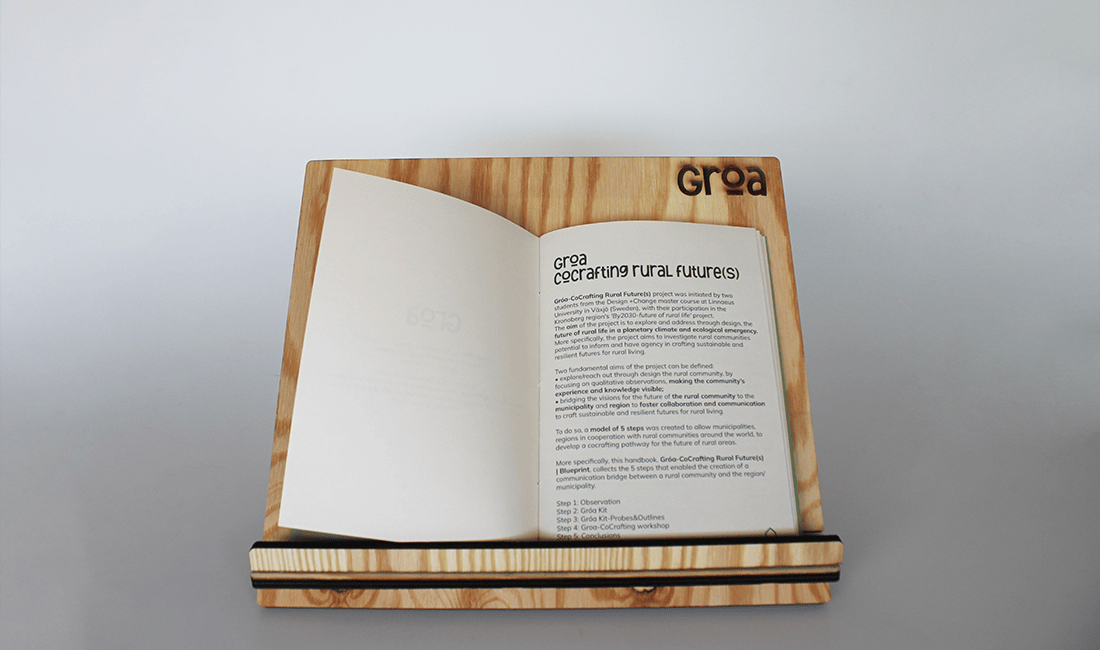
The project was created with the aim of exploring and addressing through design, the future of rural life in a planetary climate and ecological emergency. More specifically, it aims to investigate rural communities potential to inform and have agency in crafting sustainable and resilient futures for rural living.
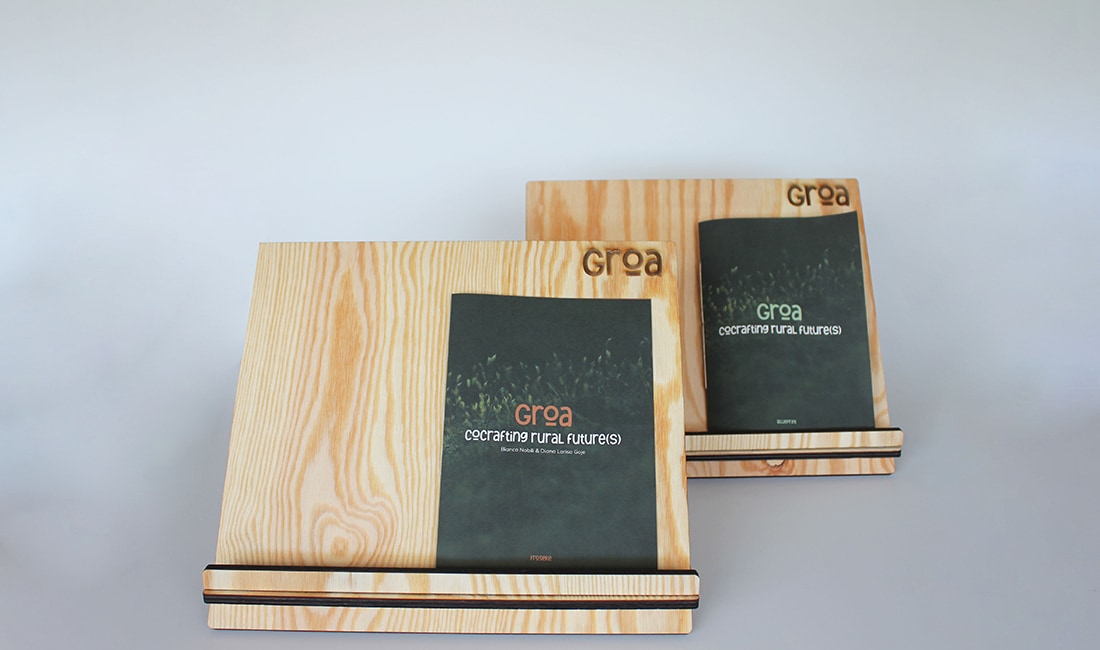
To do so, a model of 5 steps was created to allow municipalities, regions in cooperation with rural communities around the world, to develop a cocrafting pathway for the future of rural areas. To develop this framework we worked in Fröseke community, taking their case as a case study and carrying out the 5 steps of the model.
The first step of Gróa – CoCrafting Rural Future(s) framework is to immerse into the community. Observation is a fundamental step, a process of immersion into the community that goes from “outsider” to “mediator”, laying the foundation of working with the community, and no longer working for the community.
During this phase there will be a first step in creating the communication bridge, in which representatives from both sides will be mediators for the community and their municipality/region/others. There will be direct interaction with the community and the place, becoming part of the living situation that the rural community experiences. Listening, visualization and inclusiveness are important factors in this phase.
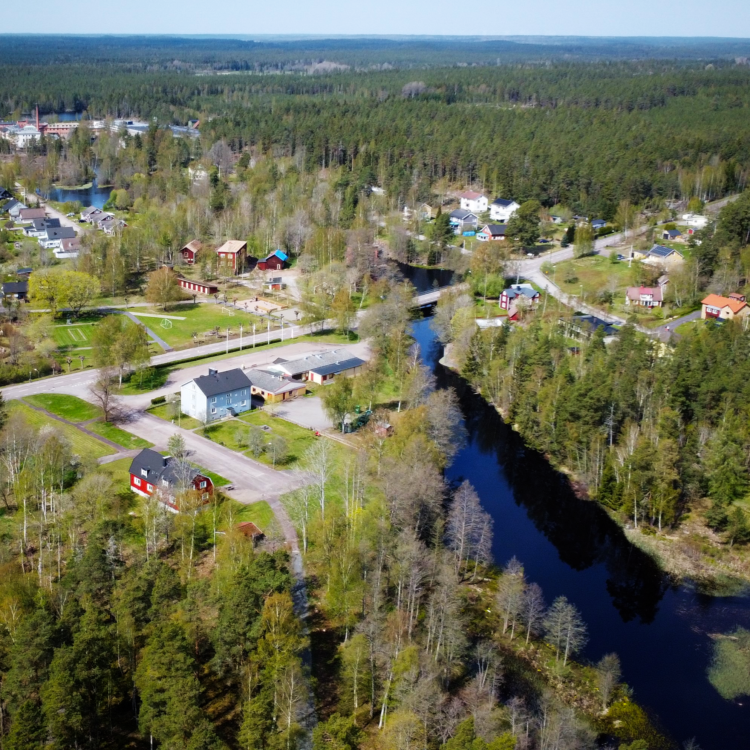
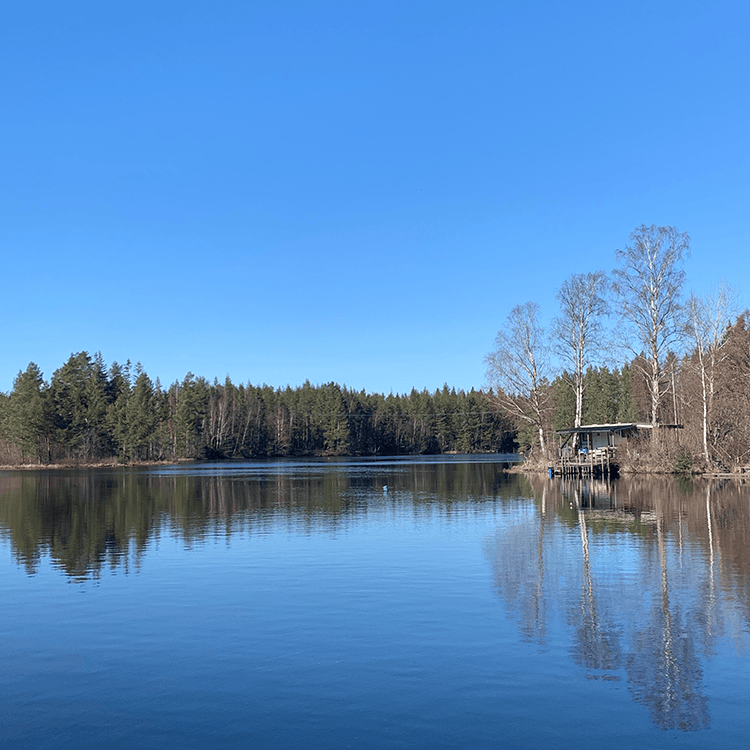
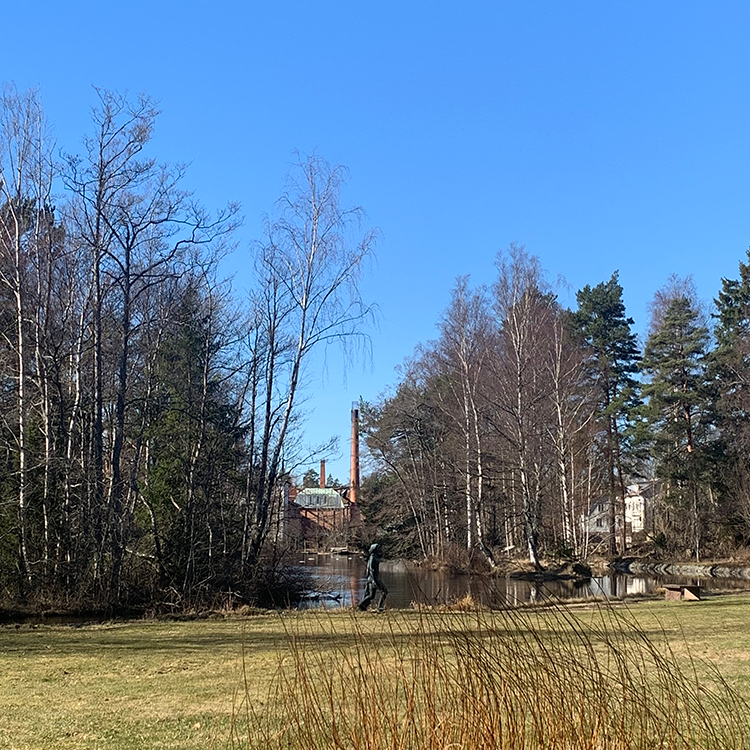
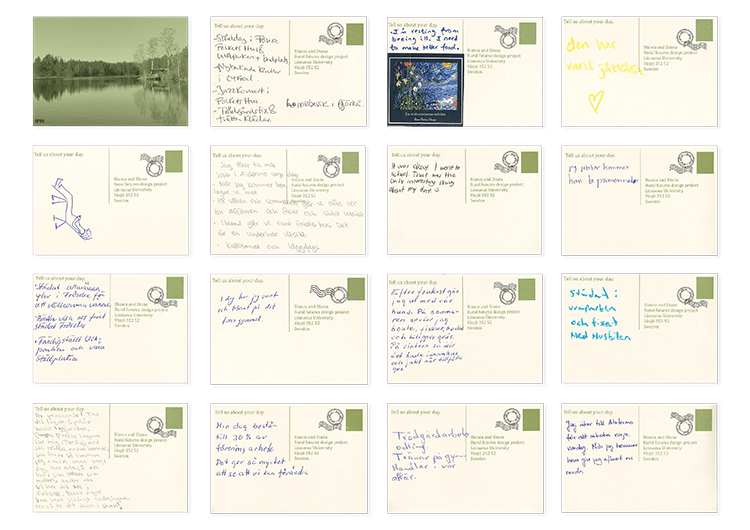
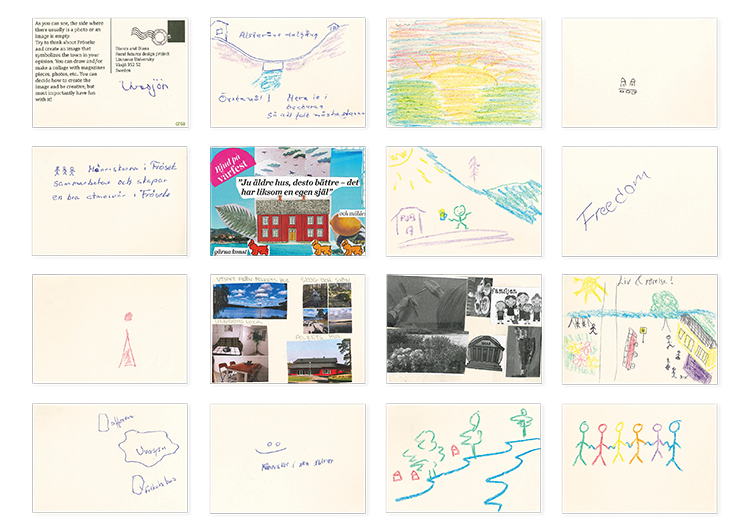
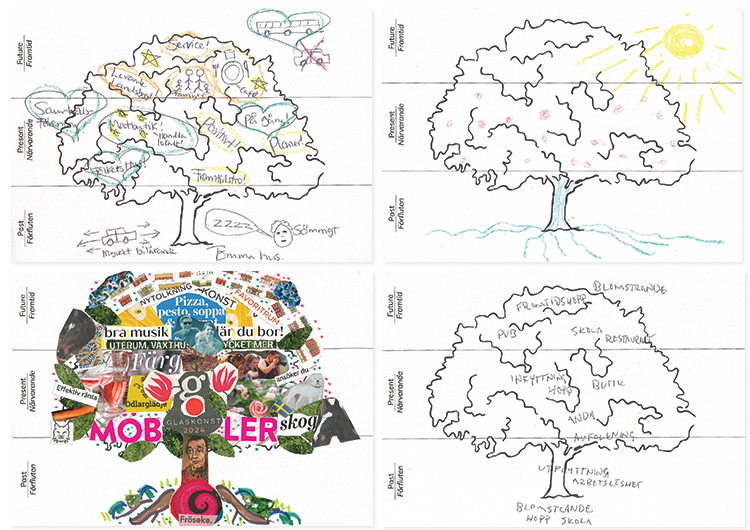
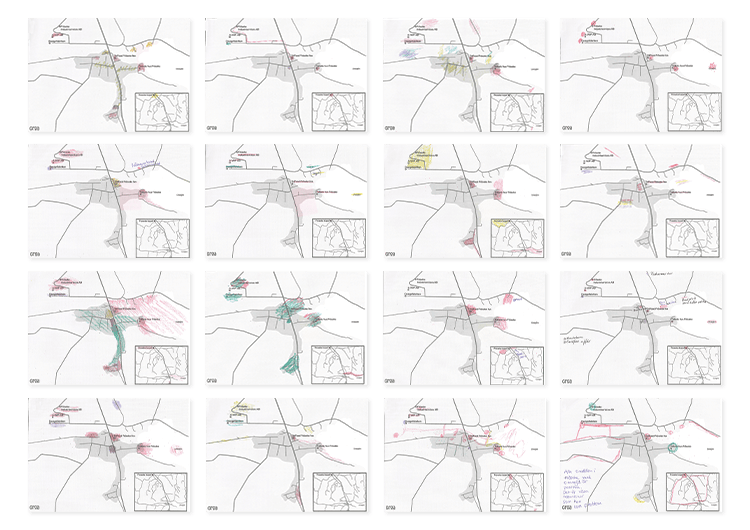
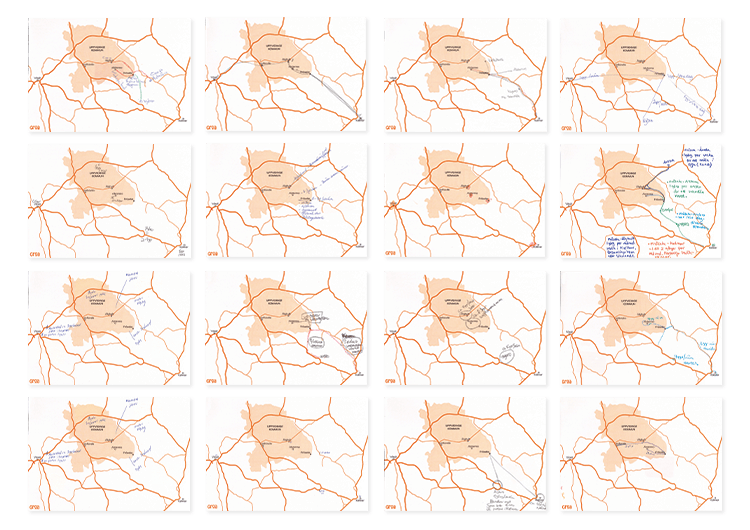
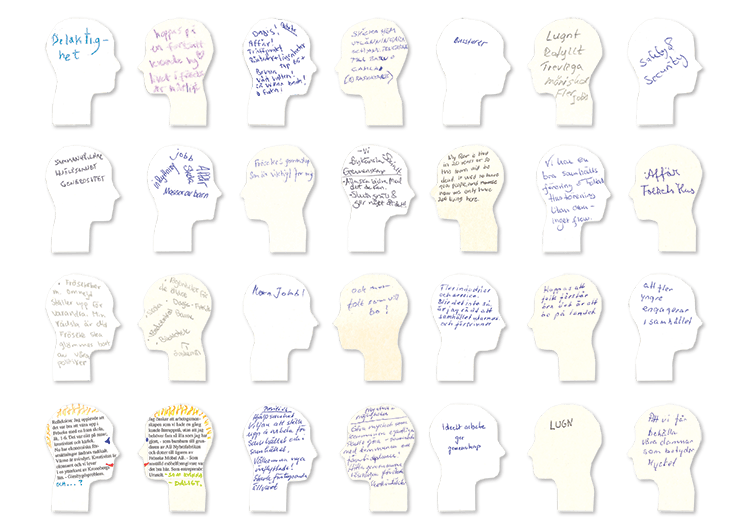
The second step is to explore through the Gróa kit the community’s experience and knowledge, probing the personal sphere of the participants. The Gróa kit was designed to explore through design rural communities, focusing on qualitative observations instead of quantitative ones. The participants are asked to individually interact with a set of probes (activities) that could reflect their experience from the past to the present and their hopes and fears for the future.
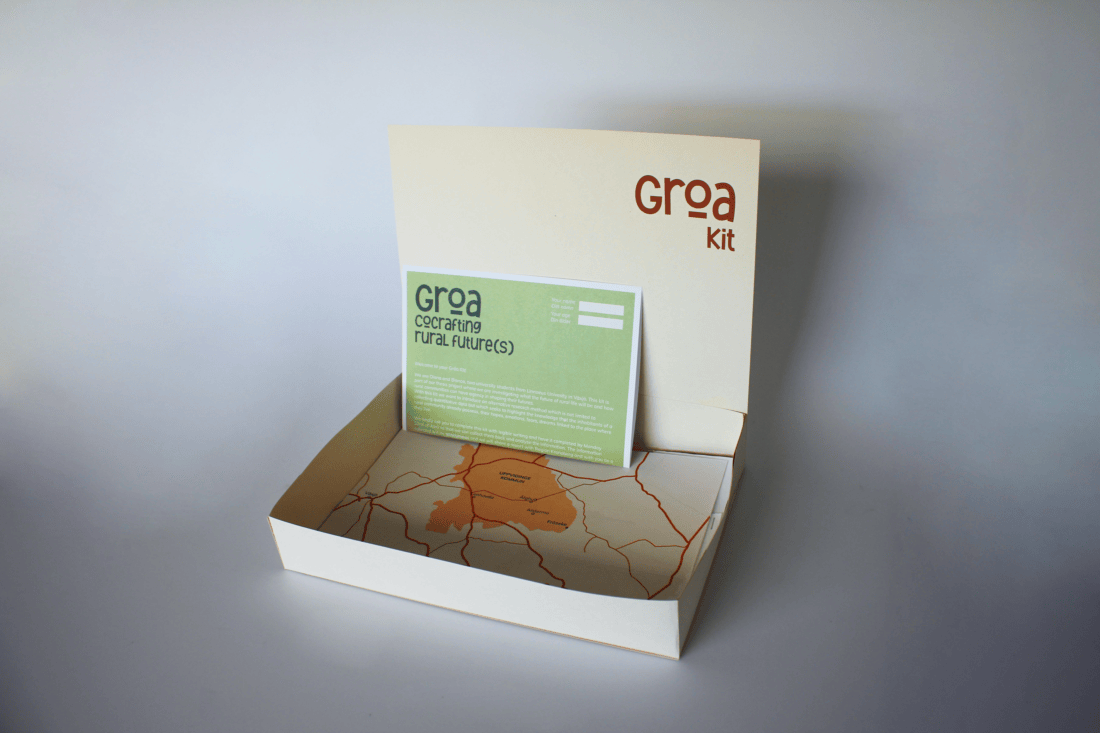
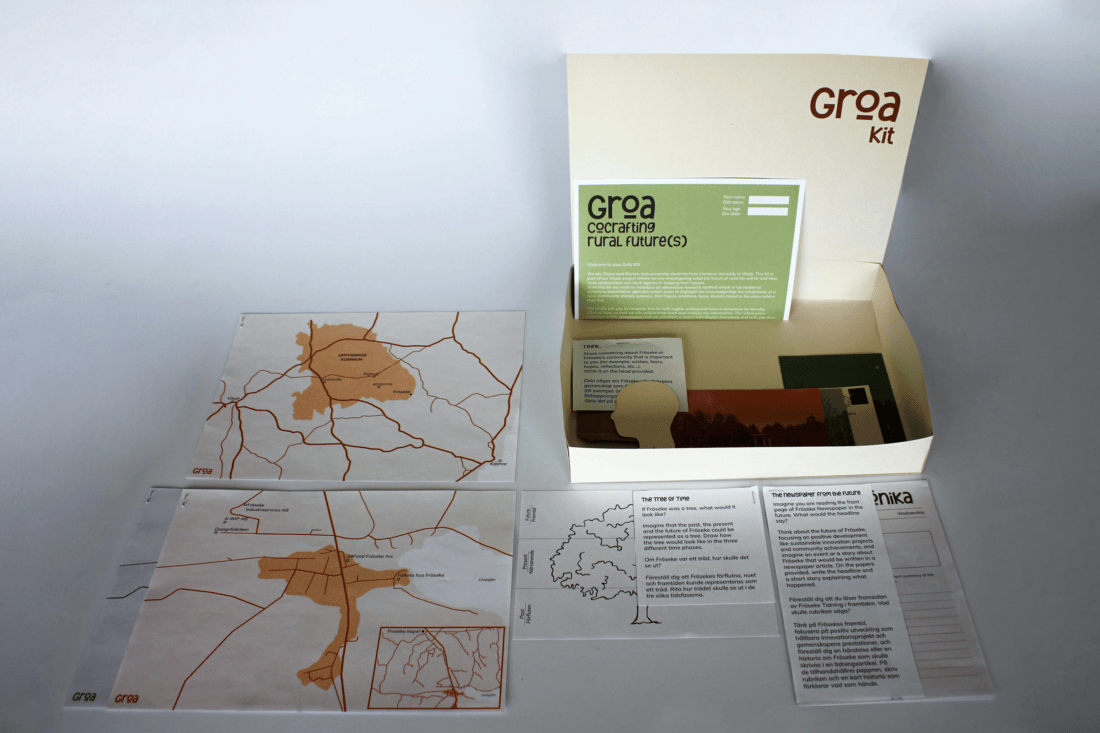
In the third step of the model, every response that has been received back from the kit distributed to the participants has to be analyzed. The outcomes of each activity in the kit gives information about the community and their feeling towards their rural area, their hopes and fears about the future and their experiences and knowledge that can help inform the concerned authorities (municipalities, regions, etc..) and their plans for rural development. This step is fundamental to really analyse what are the possibilities and/or complications in the investigated areas, what potential lies in the community and how it could be activated to foster collaboration.
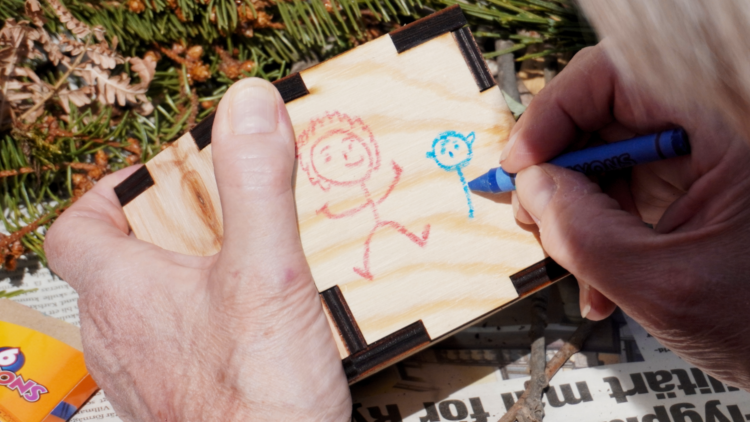
The fourth step of the Gróa framework is the creation of a CoCrafting Workshop. From the use of kits for qualitative observation used to explore the community individually, this becomes a participatory momentwhere the community comes together to share thoughts, concerns and hopes through crafting. This moment is conceived to give the community the occasion to visually express what they had the opportunity to process individually during the Gróa Kits, creating a visual craft symbolizing the future of this rural area.
Since the aim is to foster collaboration and communication between this community and the municipality, the co-creation activity should be designed focusing on the needs of each community.
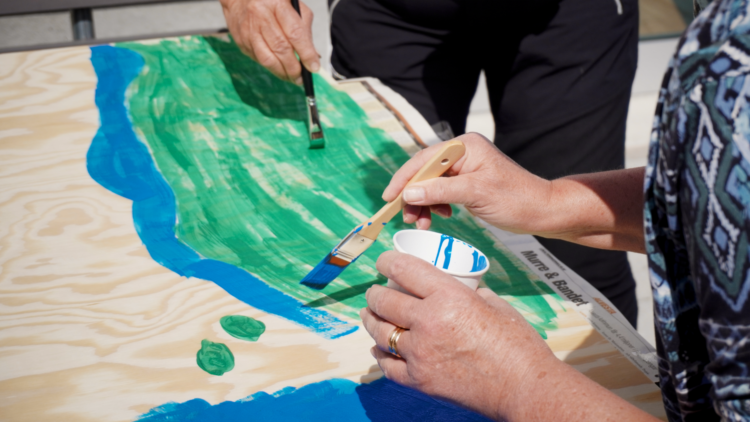
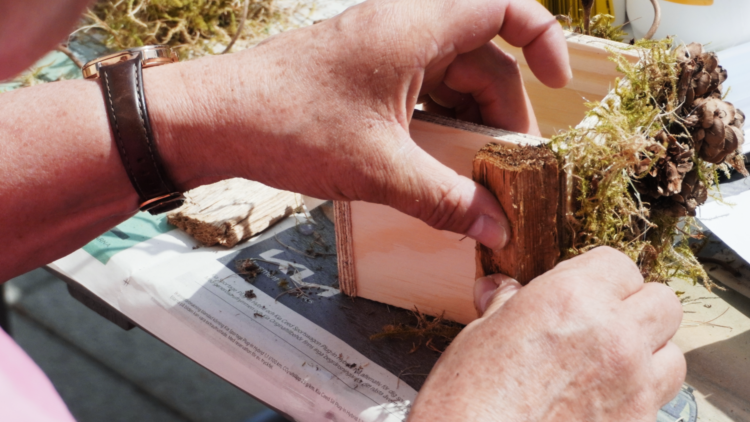
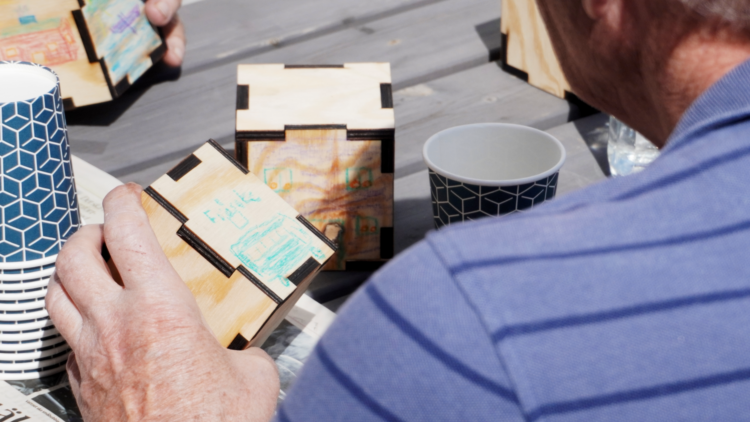
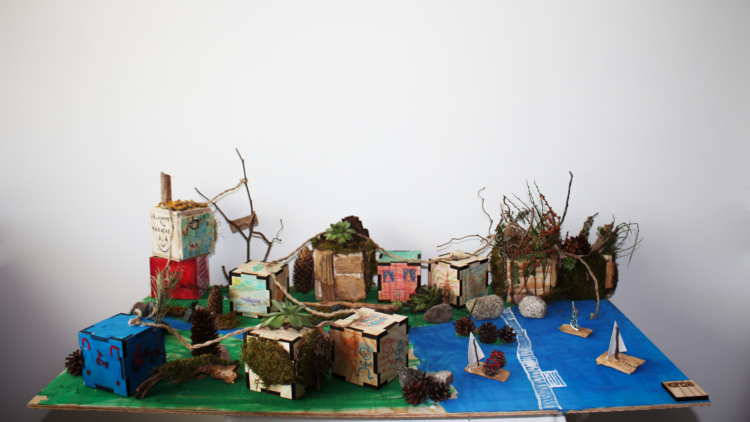
The final step of Gróa – CoCrafting Rural Future(s) is a conclusive moment of reflections on the rural futures work. This project is an opportunity to develop the process that can bridge the visions for the future of rural communities to the municipality and region to foster collaboration and communication, in order to craft sustainable and resilient futures for rural living. In this last step, it is fundamental to reflect back on the process and understand what are the key findings and outcomes that came out of the project.
Conclusion
This project proposes a framework that can be used to investigate rural communities’ potential to inform and have agency in crafting sustainable and resilient futures for rural living.
Creating new structures to work with rural areas for their future development is important as they are a vital sustainable part of the system and the territory. When we talk about development, we are not only referring to the land, but also to the community, and it is essential to include it in the processes that lead to changes.
This is why this project focuses on making this communities visible in every thought and experience, hopes and fears, create connection between rural areas and regions, with the purpose of creating a framework that can be reproduced globally.
References
[1] Rockström, Johan, and Gaffney, Owen. Breaking Boundaries: The Science of Our Planet. DK Publishing, 2021.
[2] Richardson, Katherine, Steffen, Will, Lucht, Wolfgang, Bendtsen, Jørgen, Cornell, Sarah E., Donges, Jonathan F., Drüke, Markus et al. 2023. “Earth beyond six of the nine planetary boundaries”. Science Advances 9, no. 37. DOI: 10.1126/sciadv.adh2458
[3] European Commission. 2021. “A long-term Vision for the EU’s Rural Areas – Towards stronger, connected, resilient and prosperous rural areas by 2040”. COM(2021)345 final. https://eur-lex.europa.eu/legal-content/EN/TXT/?uri=CELEX%3A52021DC0345