
Designing the Unfamiliar – Exploring design practice and individuals’ interaction with artefacts and use
Designing the Unfamiliar is a project that explores how design practice would be able to adapt towards the necessary changes regarding artefacts and how long of a leap design could take in the notion of unfamiliarity. This is done by focusing on water consumption and artefacts, such as water distribution systems, and how the individual interacts with the unfamiliarity in both aesthetics and use.

This project started with myself questioning the design practice, and how I relate to my education, interests, morals, and future. With a background in industrial design, the knowledge I gained during my master’s education shattered the worldview I had from a designer’s perspective. The realization of the world we live in today, the climate and ecological emergency, and the adaptation needed to change how we live opened my eyes to the moral struggle as a designer and how to “act” knowing that things I would design would also do harm.
How could design contribute to a more sustainable future? Specifically, artefact-aimed design practices. By exploring how design practices will adapt toward the necessary changes regarding artefacts, there is a need to explore how the individual will react to the unfamiliarity of change in both aesthetics and use.
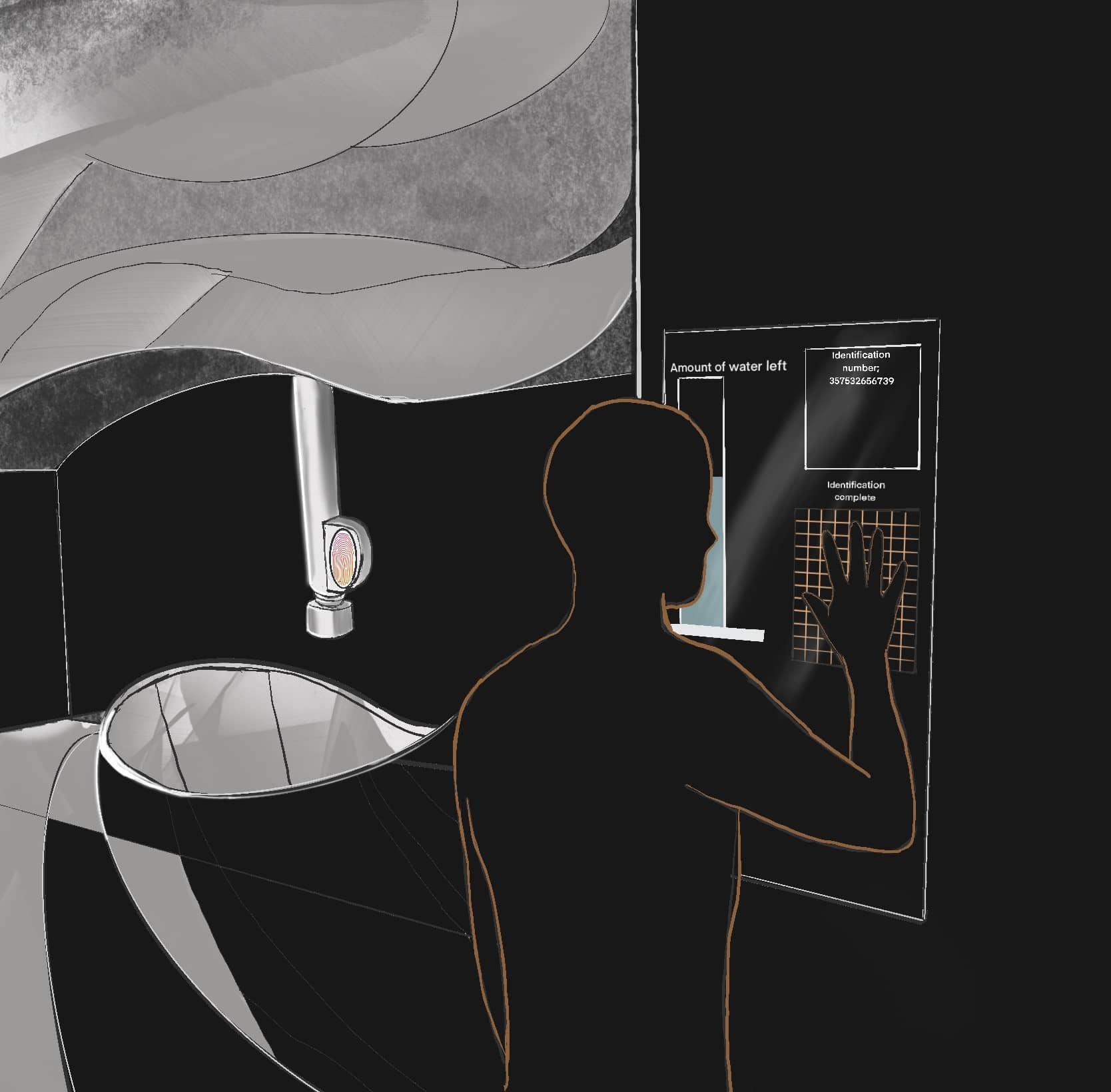
To contribute to a better understanding of how design practices can change towards more innovative design proposals regarding a sustainable future, and how interactions, in the form of familiar and unfamiliar, could have an impact on the possibilities of changing that. How accepting would people be toward radical changes in artefact-aimed design practices and the result it would give towards a sustainable future? In the stages of change, how long of a leap could you take between the familiar and the unfamiliar in artefacts?
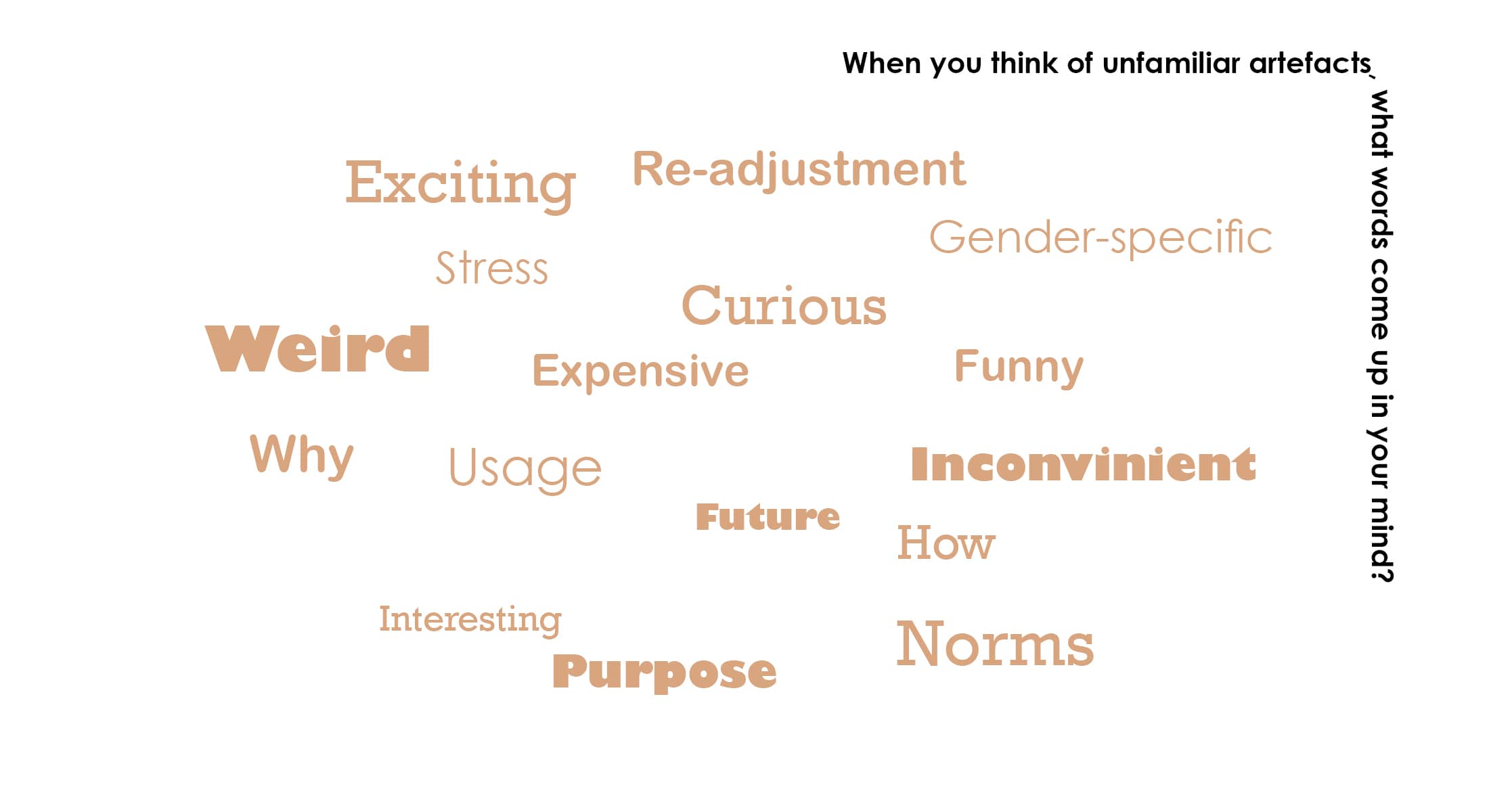
By looking at types of interactions and how that affects humans on a psychological level, there is science that points towards unease and cognitive conflict in interaction with something unfamiliar (Spackman, J. S., Yanchar, S. C., & Gantt, E. E. 2016). Humans tend to feel safe with the familiar and reserved and hesitant with the unfamiliar, but also in some cases spark an interest, and it will become a process of learning, a motivation to re-familiarize.
By working on designing various versions of artefacts connected to the use of water there are interesting points in this and how the unfamiliarity might be an obstacle to conquer in the sense of designing for the future. By asking a handful of people; what would be unfamiliar use of water for you, in regards of saving water? The various answers showed that most people are aware of how they could save water by changing their own actions, but the thought of using water that way is unfamiliar.


The climate emergency is something I think most of us are familiar with, and while there are many combined effects of climate change, water scarcity is one of the bigger ones, affected by floods, droughts, and extreme temperatures (2021). Many are affected by severe water shortages and with the climate emergency escalating water scarcity there is a need for change.
The change of use of water needs not only to change by the management of water or new technologies to change the systems but also the lifestyles and consumptions of water and a need to motivate new behaviors regarding water distribution systems and usage. Most people expect to have access to clean water and it is familiar to us in that sense, that clean drinking water is always available, looking mostly at Western societies, but foremost Sweden. How accepting would people be of radical changes in not only the artefact supplying water but the use of water that would change with it?
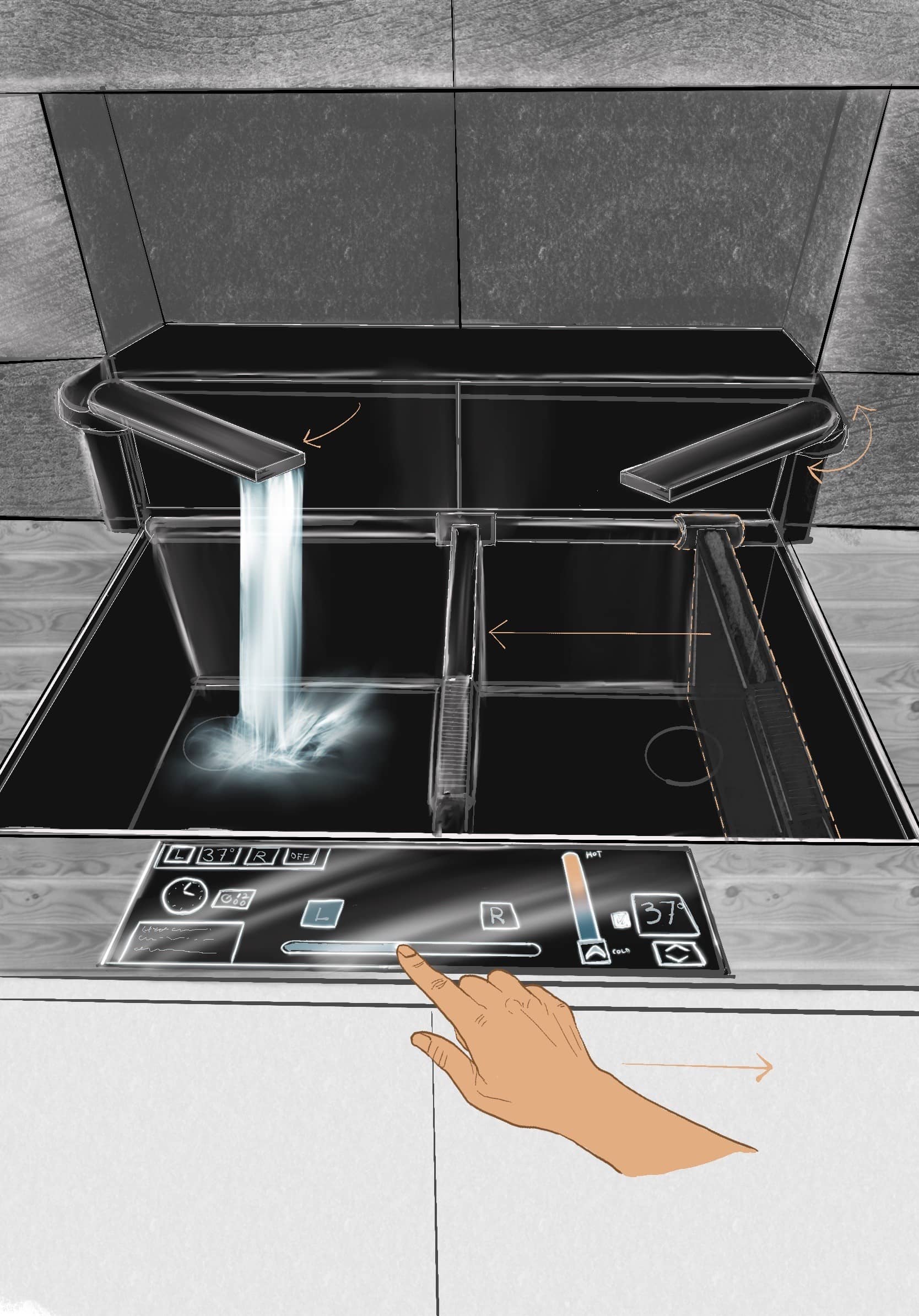
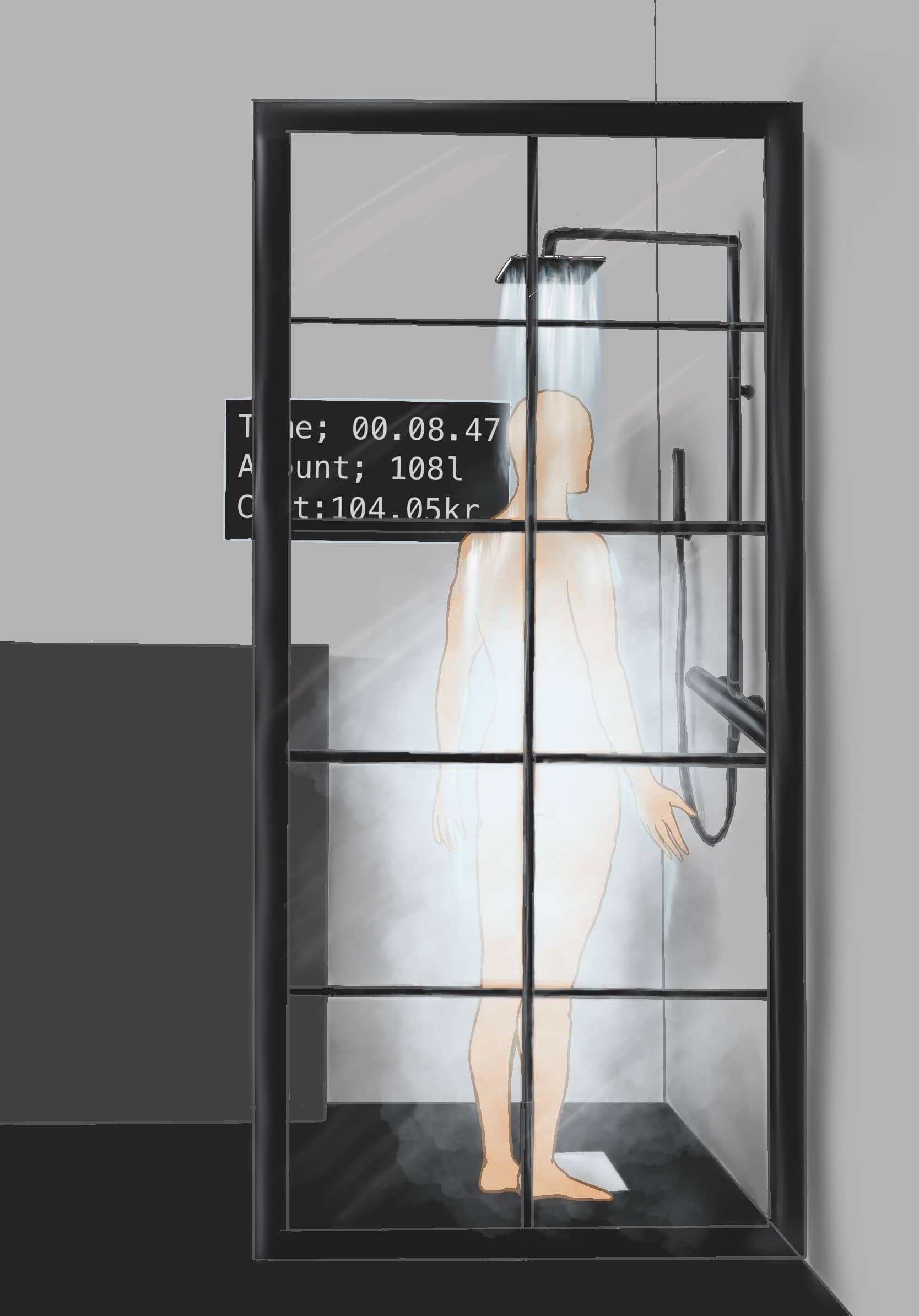
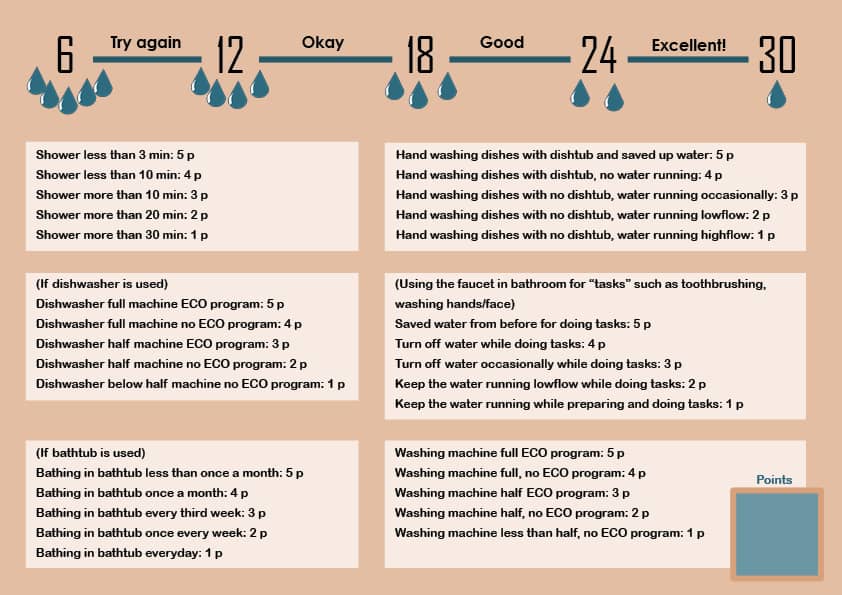
To be able to create some familiarity with the changes needed in design practice, we humans need first to become familiar with the use and to change our habits of unsustainable living. If only the design changes whereas some unfamiliarity is expected, the use and habit would remain the same. Therefore, the awareness of one’s individual actions needs to be focused on. Would the perception change if you could see the amount of water wasted, the time used and the money spent? If you could be aware of your actions toward water consumption, would that change your behavior?

References
Spackman, J. S., Yanchar, S. C., & Gantt, E. E. (2016). The Moral Call to Learn: A Qualitative Investigation of Encounters with Unfamiliarity in Everyday Life. The Qualitative Report, 21(11), 2088-2103. https://doi.org/10.46743/2160-3715/2016.2423
(2021a). Retrieved from https://water.org/our-impact/water-crisis
