Caring Despite Distance – Designing Acts of Care for just and equal trading friendships
“Shamwari” is the shona word for a friend, someone you feel attached to and someone who is kin.
Exploring emotionality through collaborative Design for more empathic and equal participation in trade by prioritising the voices of marginalised female artisans in Zimbabwe. With the example of a trading friendship to Zimbabwe and observations of consumer behaviour in Europe, I want to showcase acts of care as a tool for deeper human interaction, exploring fair trade through radical empathy.
“You can’t have climate change without sacrifice zones, and you can’t have sacrifice zones without disposable people, and you can’t have disposable people without racism.” (Hopkins, 2020)
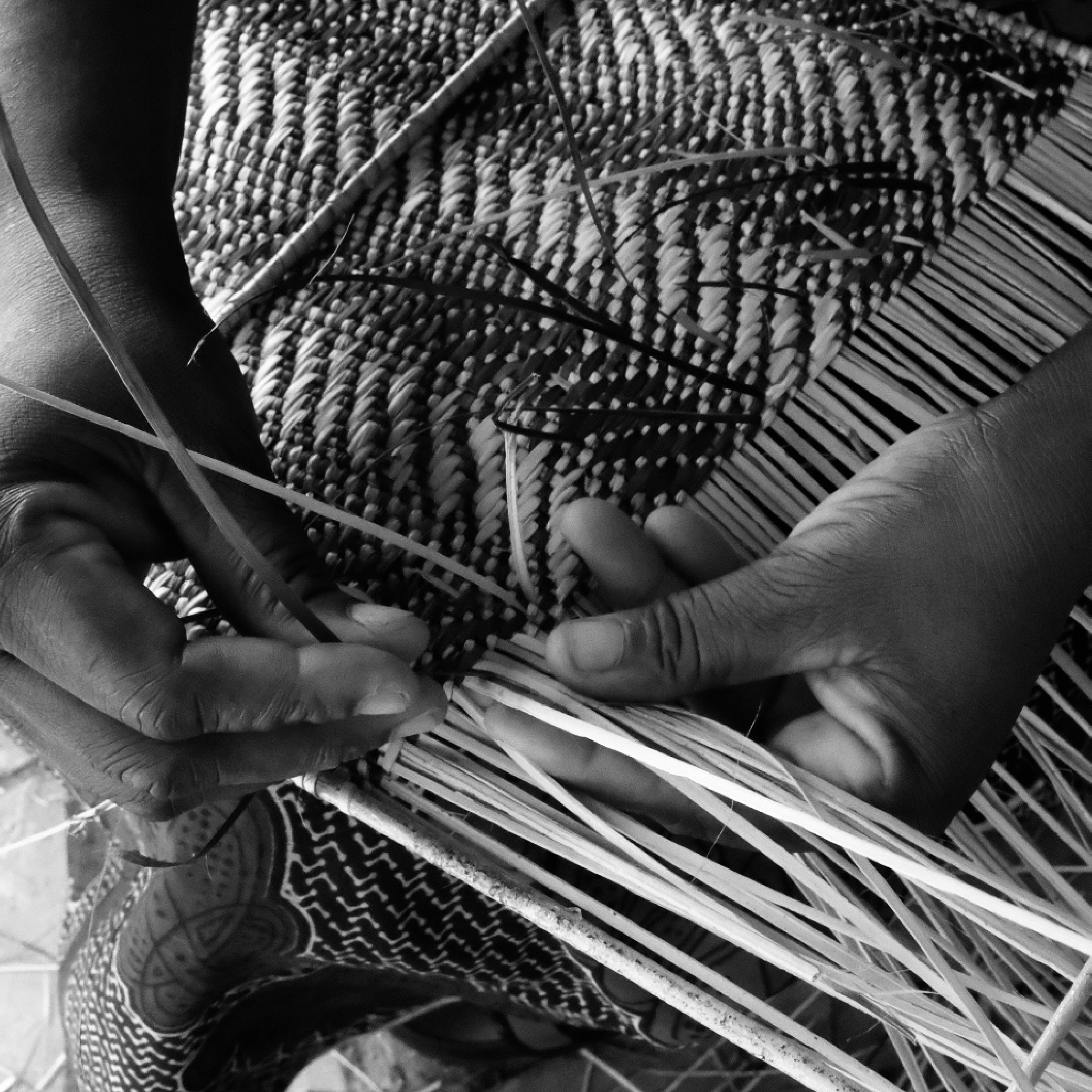

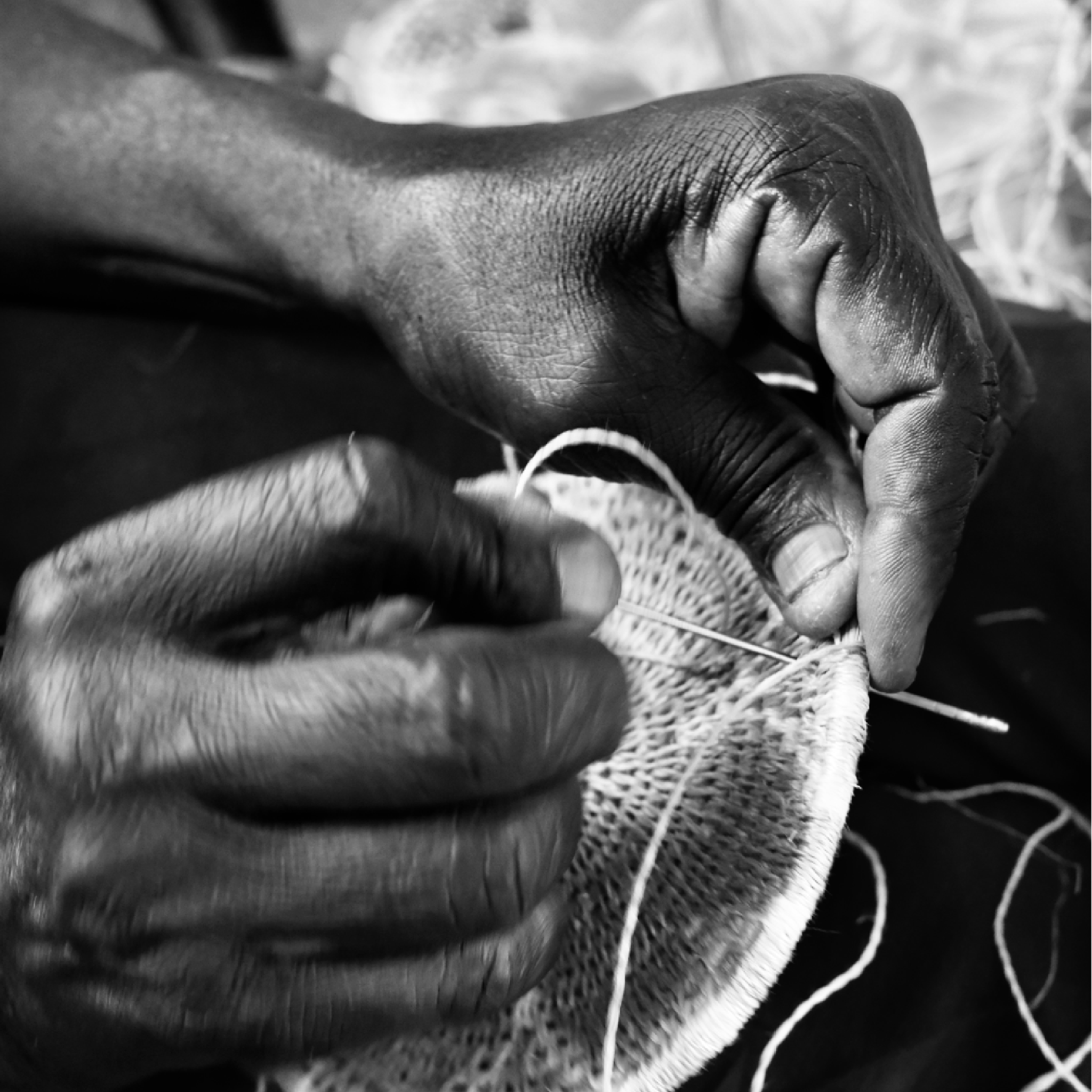
The dominant trading models are contextualised in a global capitalist system, reliant on exploited labour and material flow surpassing our planetary boundaries. In a trading world where we normalised sacrificing people and land in producing and trading goods, the existence and presence of fair trading models are hopeful but not radical enough to succeed in paradigmatic changes.
Critical examination is necessary to determine if the current Fair Trade practices are progressive enough or if they support narratives that fail to adequately communicate the depth of ethical considerations and social impact inherent in responsible trading. Explaining the scale of fair trade just by numbers and wages paid isn’t enough; we also need to highlight the social, cultural, and environmental impacts for consumers to understand its full value. This led me to look into whether care-based approaches through Design can make a bigger difference for artist communities in Zimbabwe, helping to achieve more secure social and economic stability.


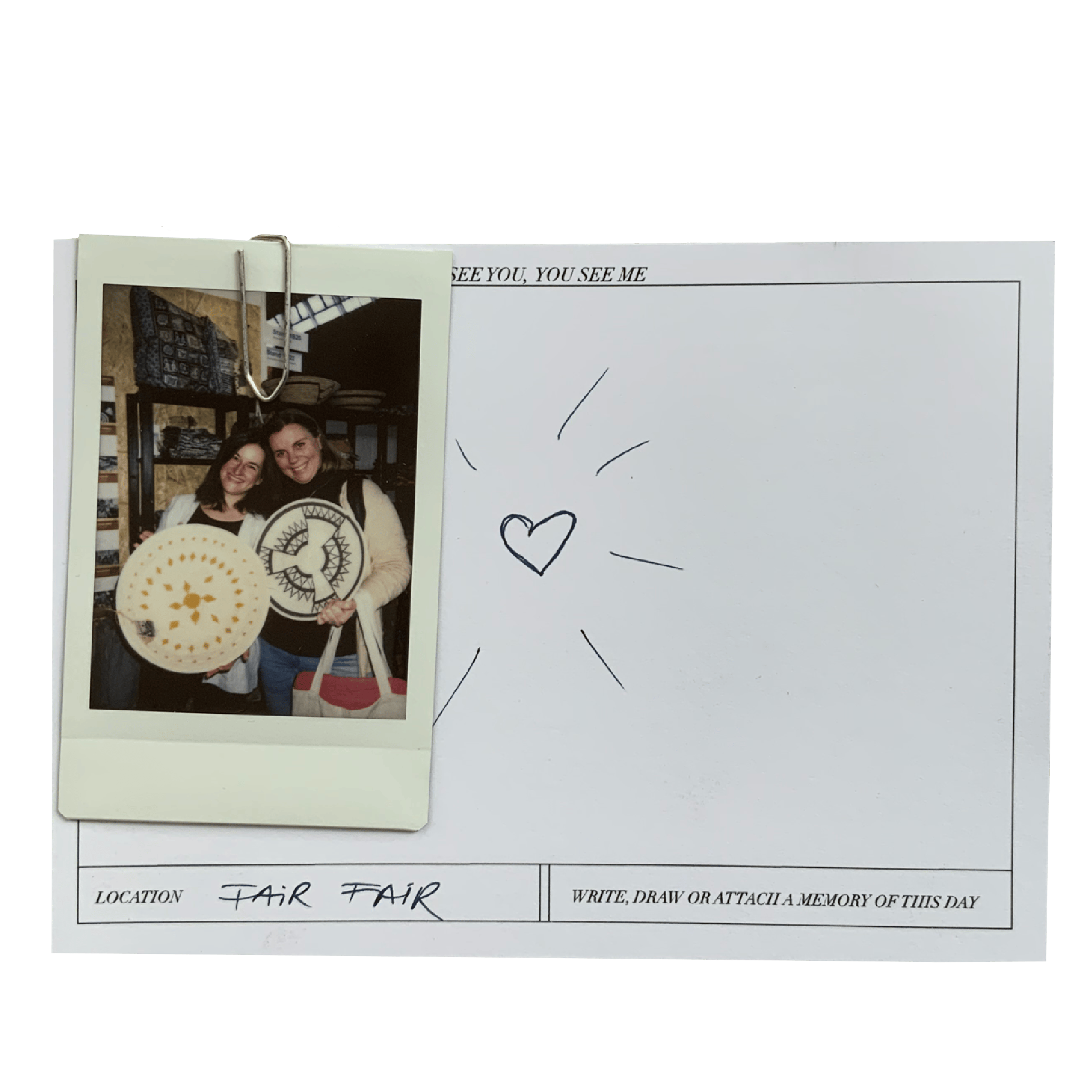
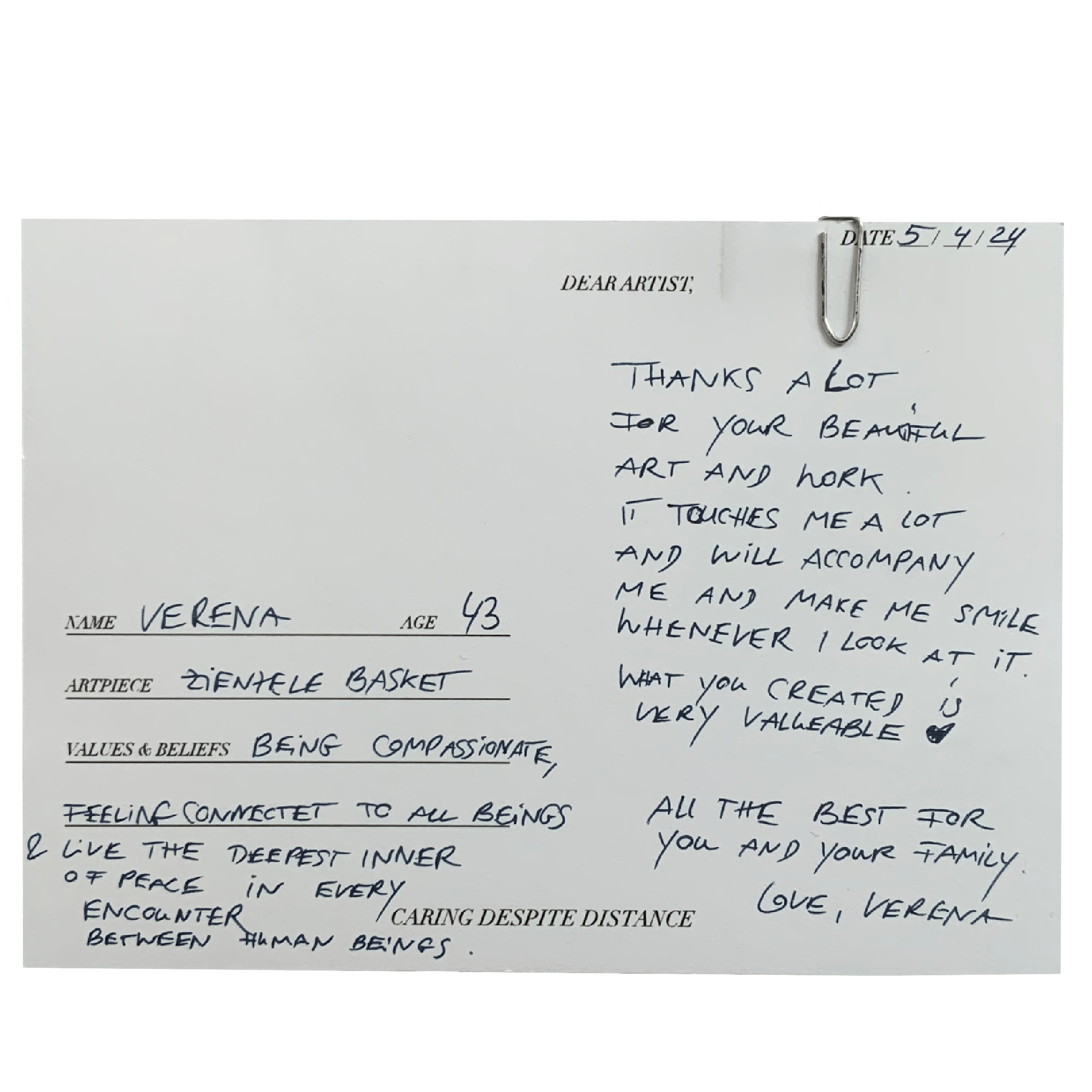
This Design project is a collaborative exploration of designed “acts of care” in a curated network of Zimbabwean artisans, a fair trade retailer and European consumers.
With the goal to collaboratively give meaning to an artistic practice through action, can allow the emotional distance we created between the craftsperson and the buyer to shorten and to care for each other despite a distance.

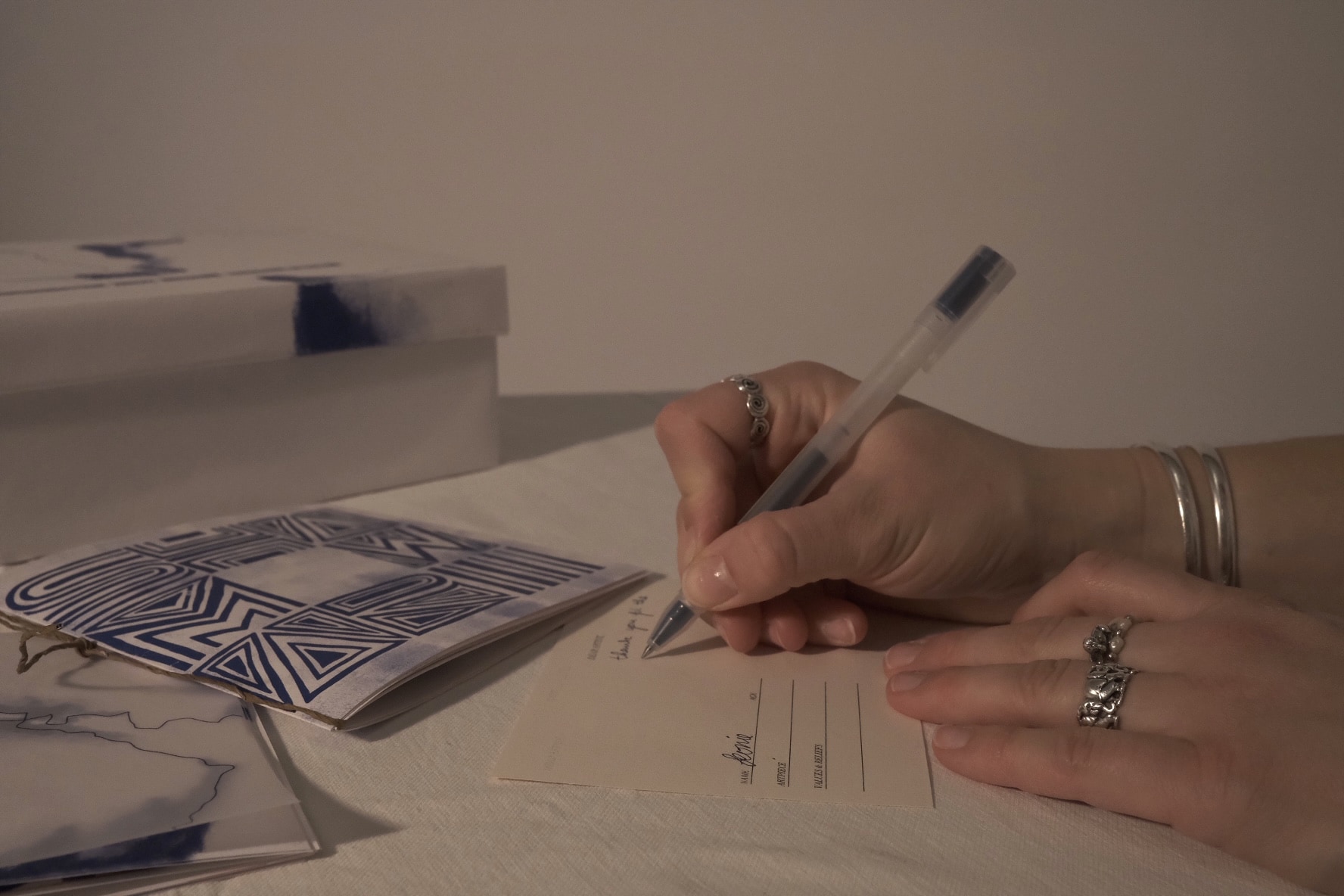


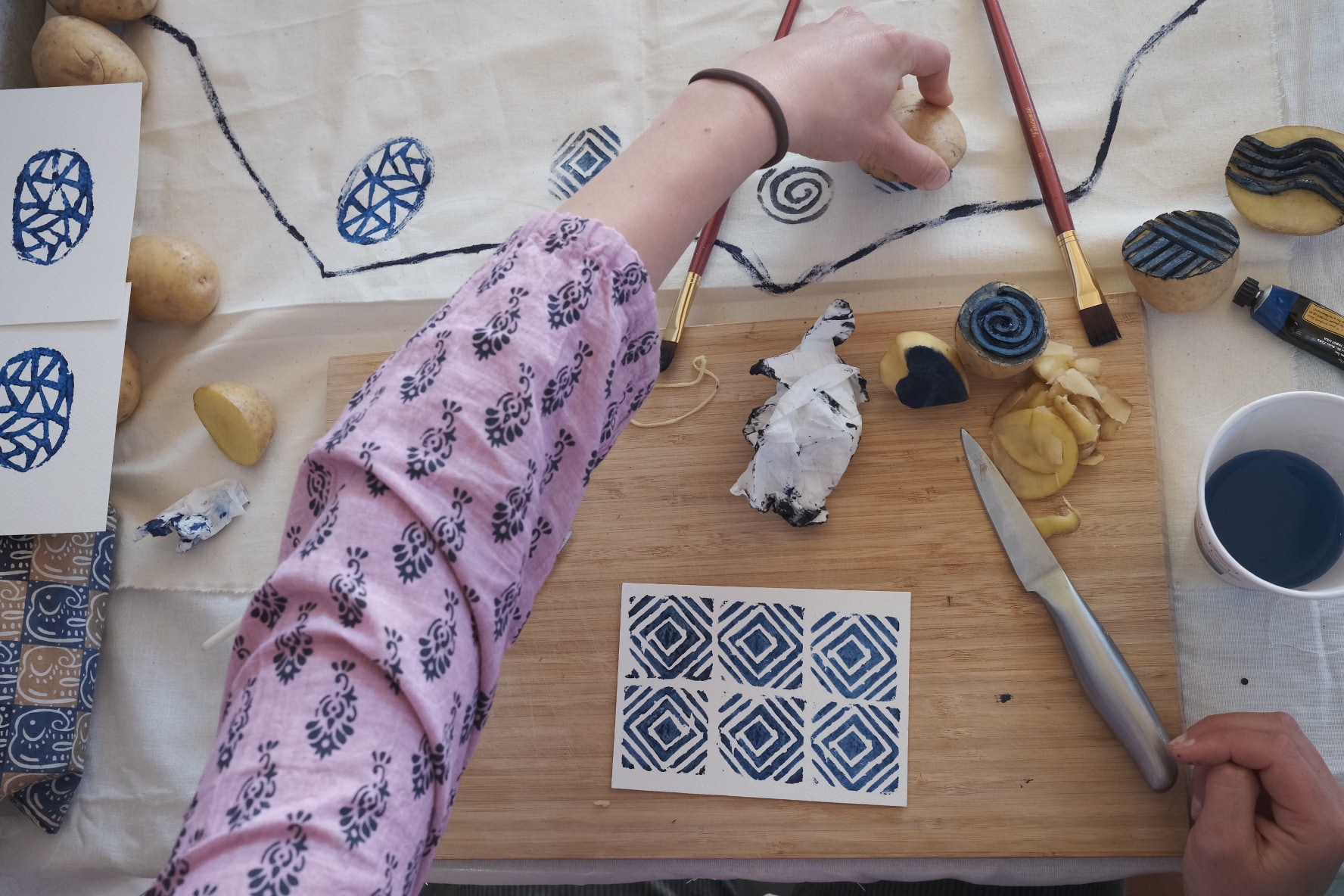
Caring Despite Distance was materialised into a toolkit called “Postcards to the Artist”, aiming to give back the opportunity for the artisan to see who the customers are. It should provide an opportunity to connect, since there is a gap between the buyer and the artist which does not leave space for interpersonal connection and appreciation.
The postcards will then be shared on a collected website for networking, skill sharing and trading connections on a more emotional level.
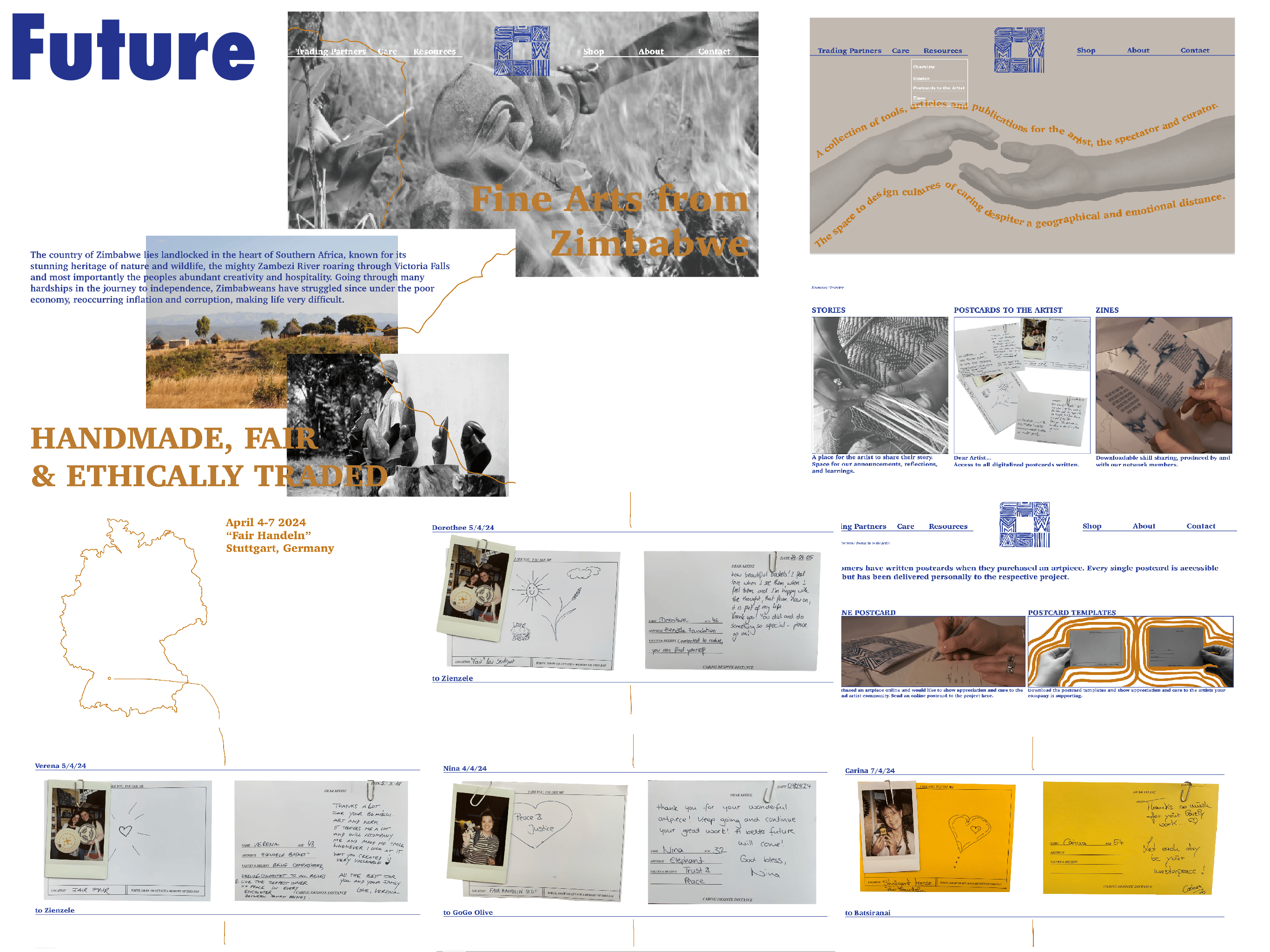
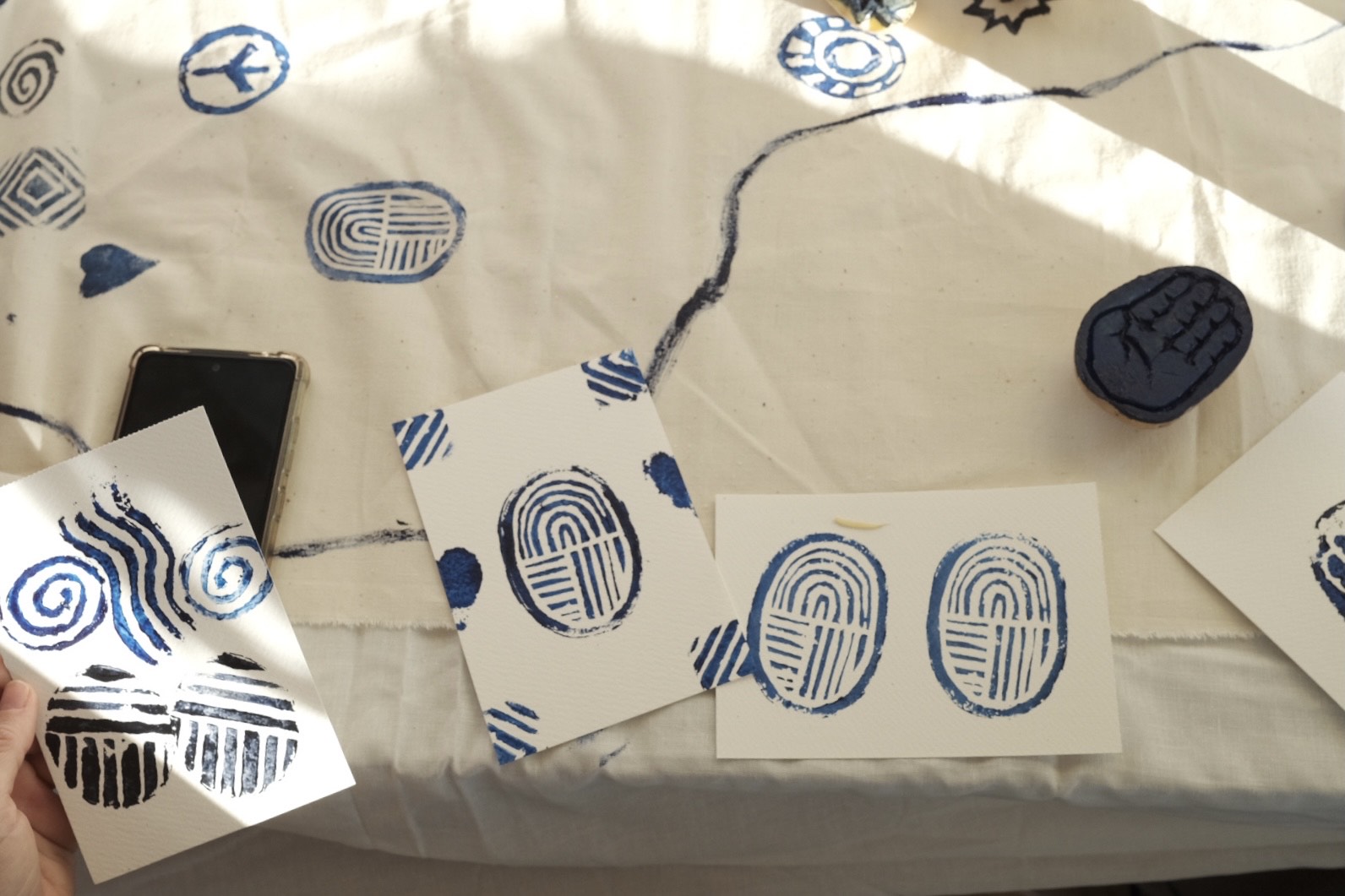
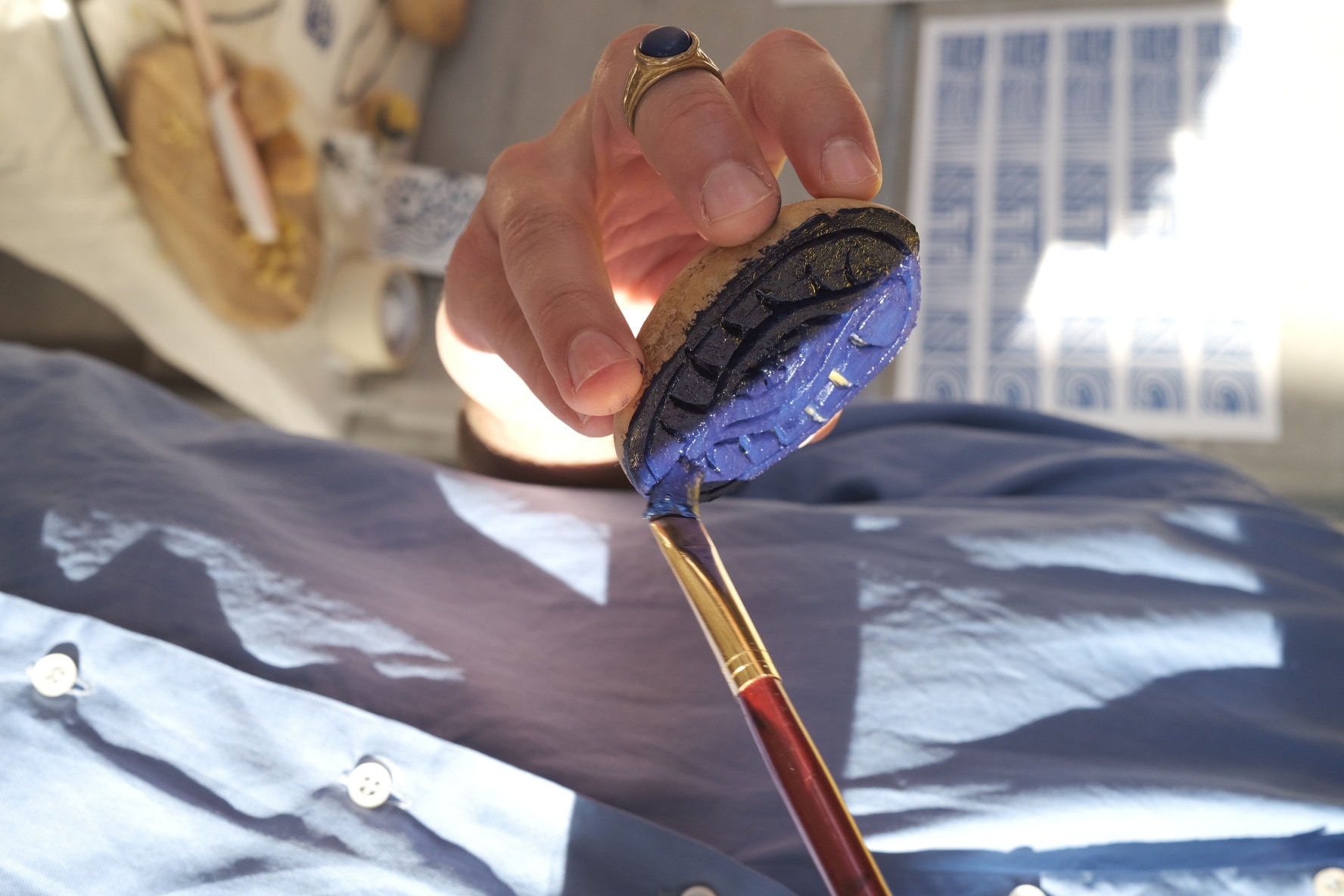
Hosting creative workshops and writing postcards to the artist with consumers left the most impactful impression on the participants as well as on me. It was mostly the positive conversations, comments and small interactions that made me hopeful for a change in trade that highlights the invisible hands behind and honours the artisans livelihood. The most important insights I gained from the project was the sense of community that I felt throughout the process and the special conversations that evolved when a space is created where we can meet and come together to relate to a cause.
Meeting spaces to find your agency for sustainable development in the complexities of world trade exist, but I felt the need of design to create spaces within these structures that invite for deeper connection with the artisan behind an art piece, through community, participation and visual inspiration.
By connecting to a cause with our hands and hearts, we can create a meaningful and lasting impact.



References
Hopkins, Hop, 2020 “Racism Is Killing the Planet. The ideology of white supremacy leads the way toward disposable people and a disposable natural world”, https://www.sierraclub.org/ sierra/racism-killing-planet